EXPLORE
CONNECT
DISCOVER
History is not a finished story.
Explore the evidence, texts, places, and ideas that continue to shape our understanding of Mongolia and the wider Eurasian world.
Knowledge grows through dialogue.
Connect ideas, disciplines, scholars, and perspectives to discover new questions and deeper connections across history and culture.
Look beyond what is already known.
Question assumptions, examine the evidence, and join us in discovering the stories, traditions, and historical realities that still await deeper understanding.
MONGOLIAN STUDIES — SELECTED BOOKS
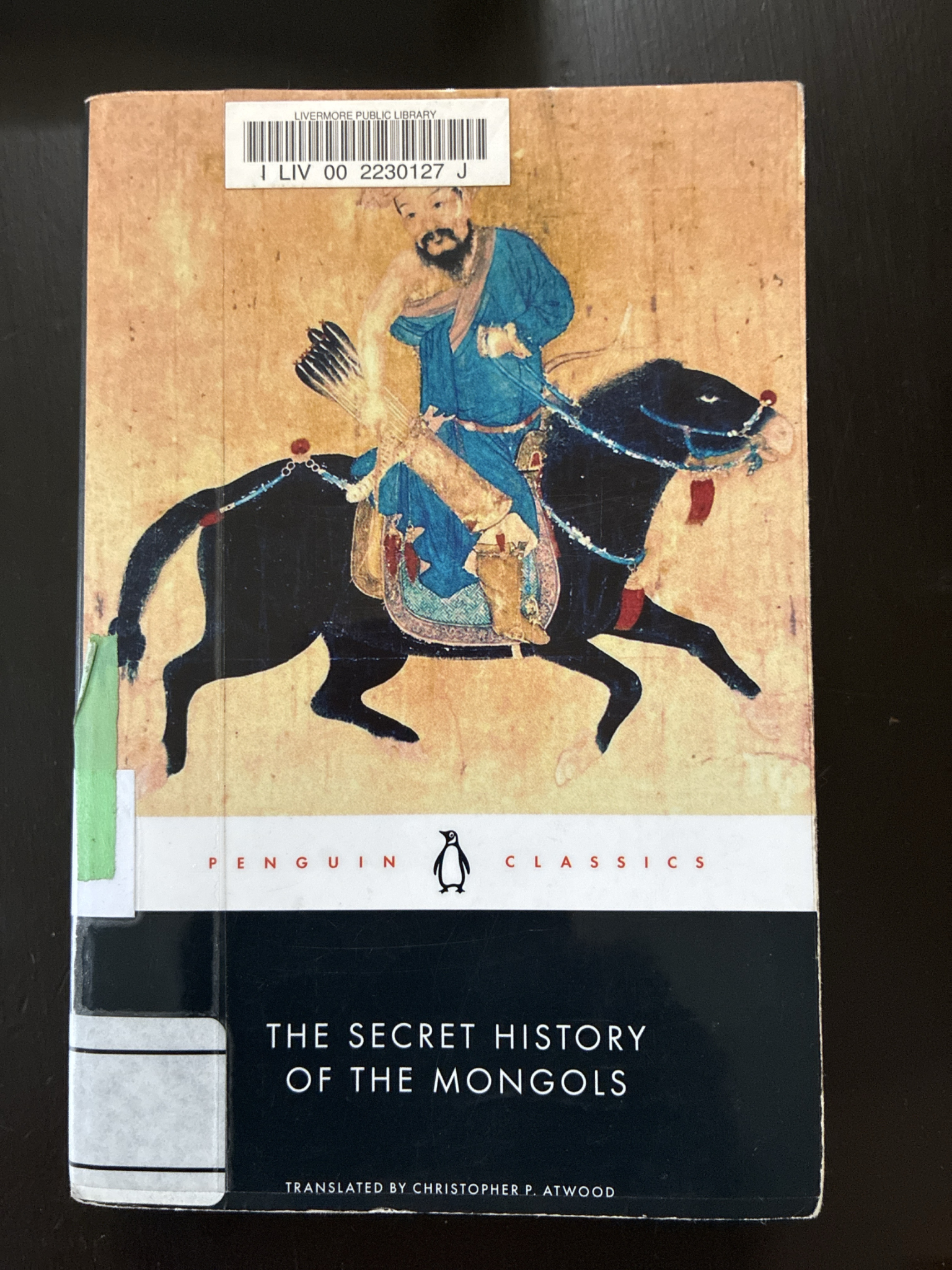
Christopher P. Atwood
The Secret History of the Mongols: A Mongolian Epic Chronicle of the Thirteenth Century
Research relevance:
This scholarly edition provides a modern English translation and critical study of the Secret History of the Mongols. It is used as a principal scholarly source for examining the text, its historical context, textual transmission, and the unresolved questions surrounding its authorship and preservation.
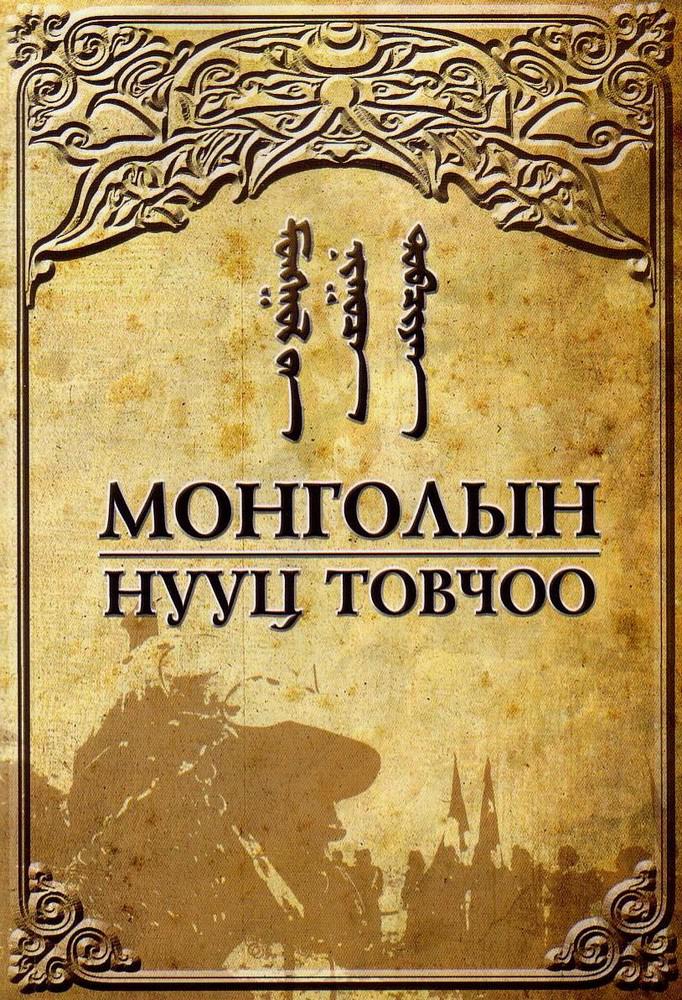
Монголын Нууц Товчоо
The Secret History of the Mongols
Research relevance:
This Mongolian edition represents the primary historical text at the center of this research. It is used for examining the original Mongolian narrative tradition, its language and internal evidence, and the historical questions surrounding its composition, authorship, transmission, and preservation.
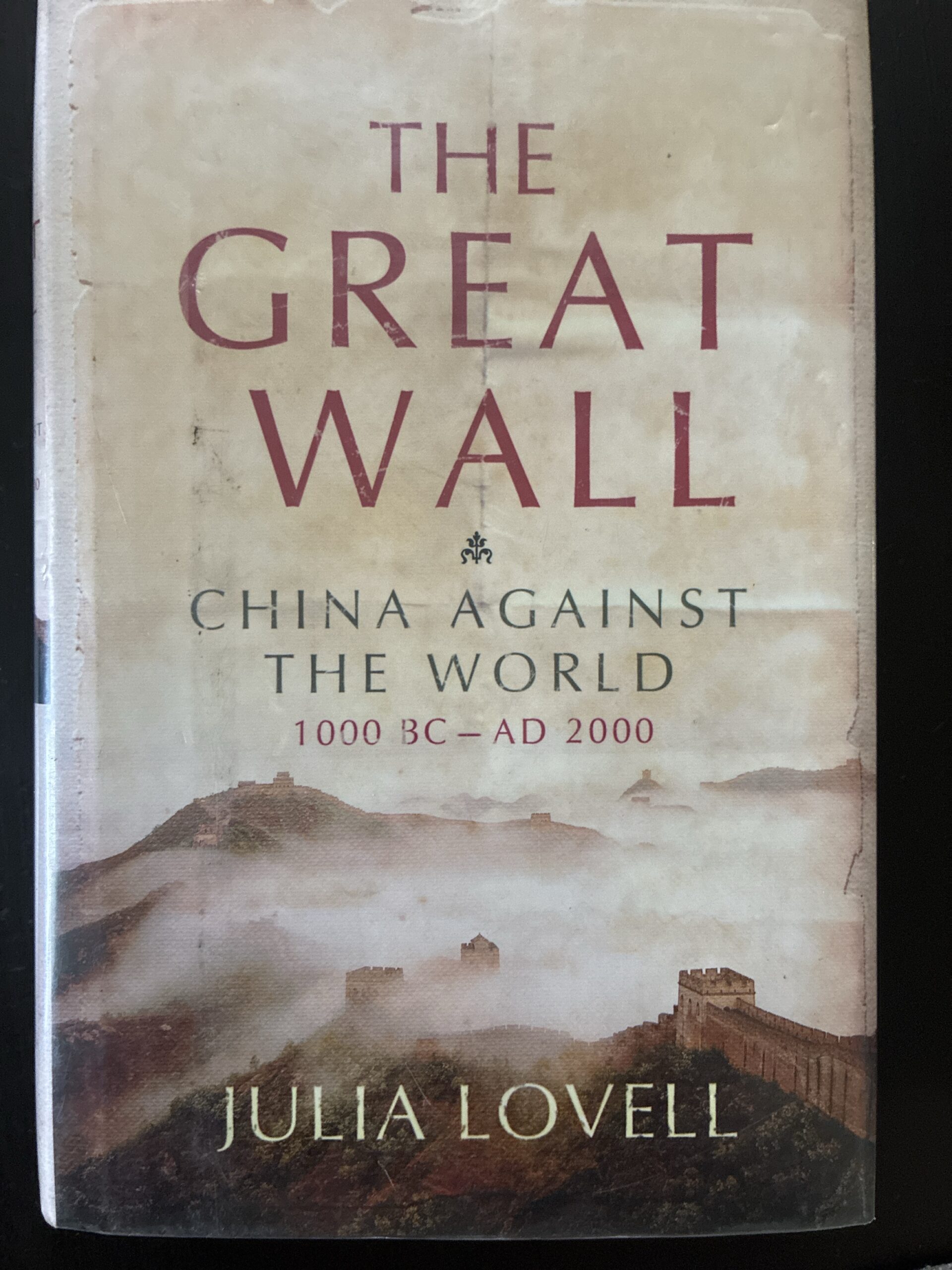
Julia Lovell
The Great Wall: China Against the World, 1000 BC–AD 2000
Research relevance:
This work examines the long historical relationship between China and the peoples of the northern steppe, with particular attention to political, military, and institutional developments. It is used as a contextual source for understanding the Chinese historical environment through which Mongolian texts and traditions were preserved and transmitted.
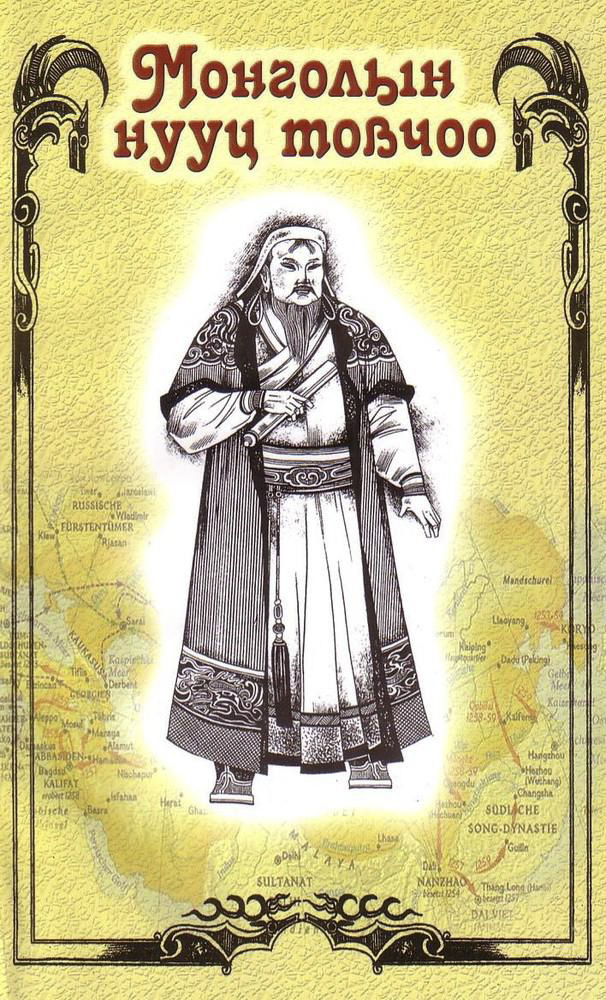
Монголын Нууц Товчоо
The Secret History of the Mongols
Research relevance:
This Mongolian edition represents the primary historical text at the center of this research. It is used for examining the Mongolian narrative tradition, its language and internal evidence, and the historical questions surrounding its composition, authorship, transmission, and preservation.
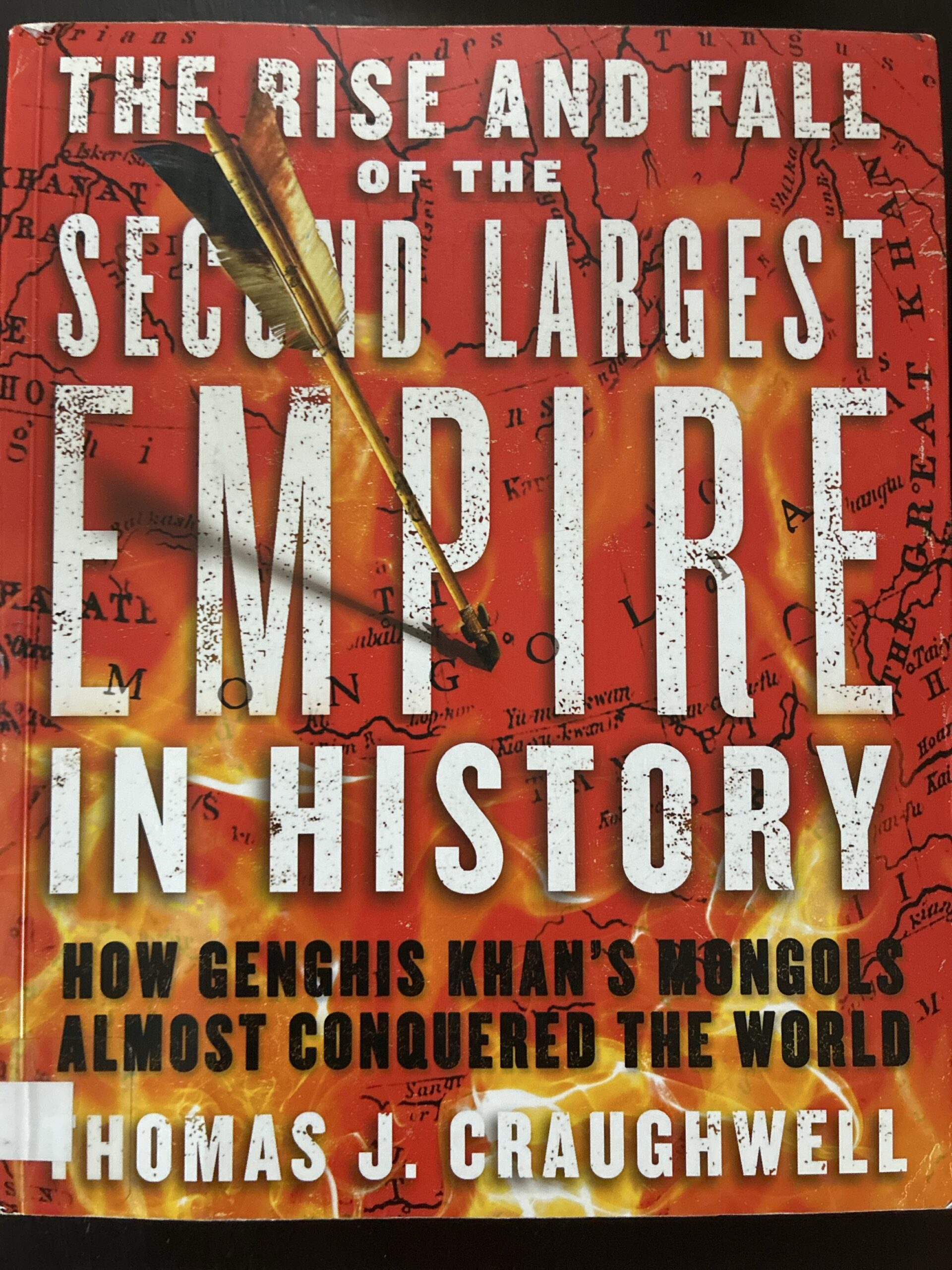
Thomas J. Craughwell
The Rise and Fall of the Second Largest Empire in History: How Genghis Khan’s Mongols Almost Conquered the World
Research relevance:
This work provides a broad historical account of the rise and expansion of the Mongol Empire and its impact across Eurasia. It is used as a secondary source for contextualizing the historical background of the Secret History of the Mongols and the wider imperial world in which the text emerged.
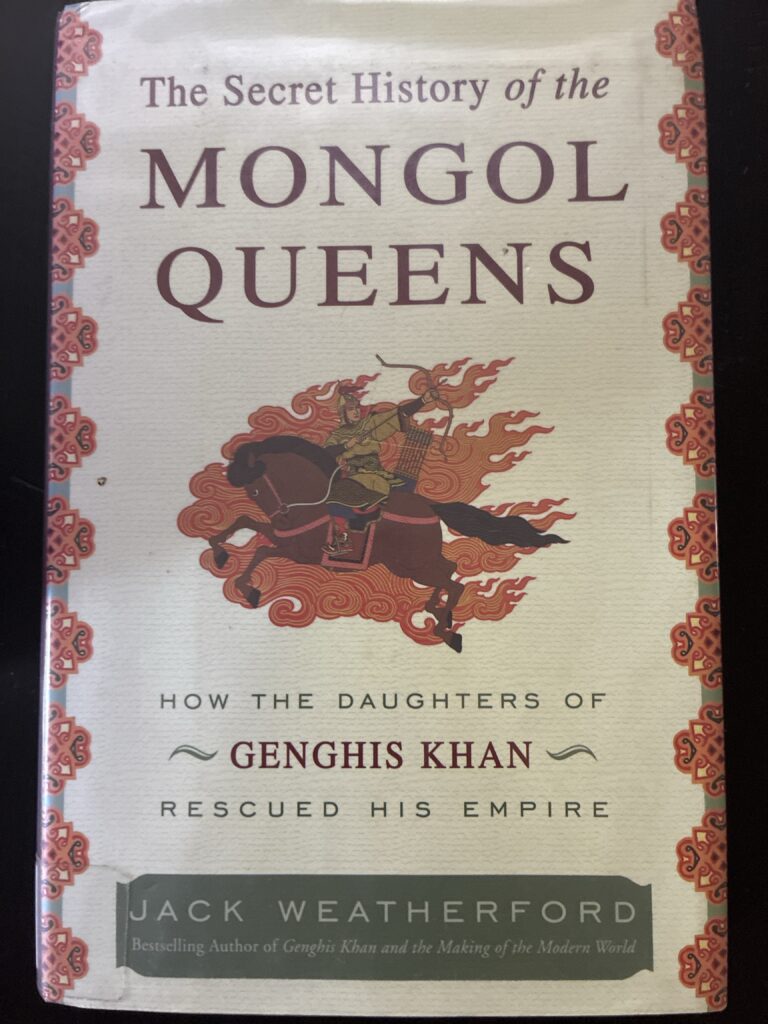
Jack Weatherford
The Secret History of the Mongol Queens: How the Daughters of Genghis Khan Rescued His Empire
Research relevance:
This work examines the political roles and historical experiences of women within the Mongol imperial family and succession system. It is used as a secondary source for contextualizing the treatment of royal women, family memory, and dynastic relationships in the Secret History of the Mongols.
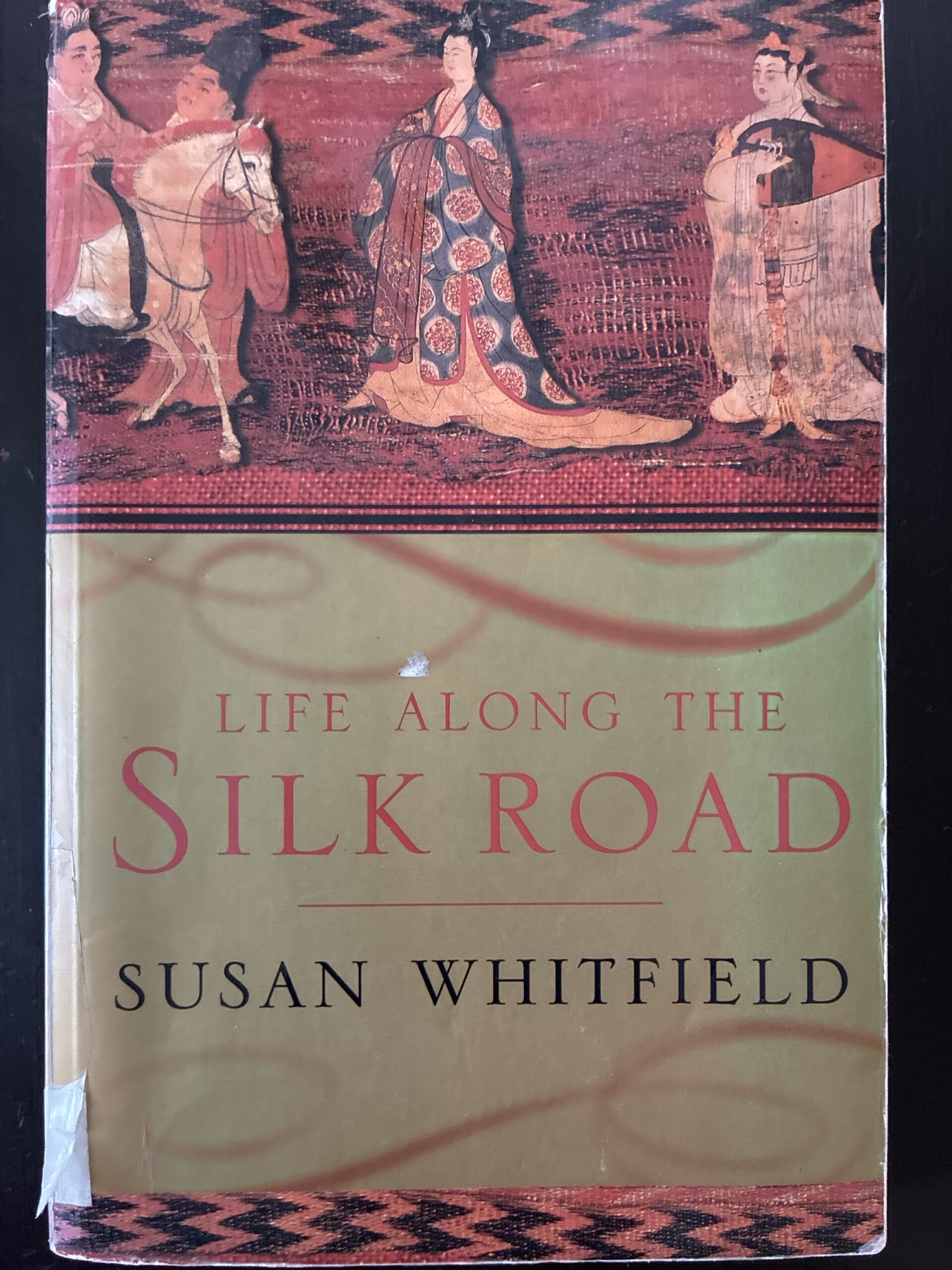
Susan Whitfield
Life Along the Silk Road
Research relevance:
This work examines the people, cultures, trade networks, and forms of cultural exchange that connected societies across the Silk Road. It is used as a contextual source for understanding the movement of people, languages, texts, and knowledge across Eurasia during the historical period relevant to the Mongol world.
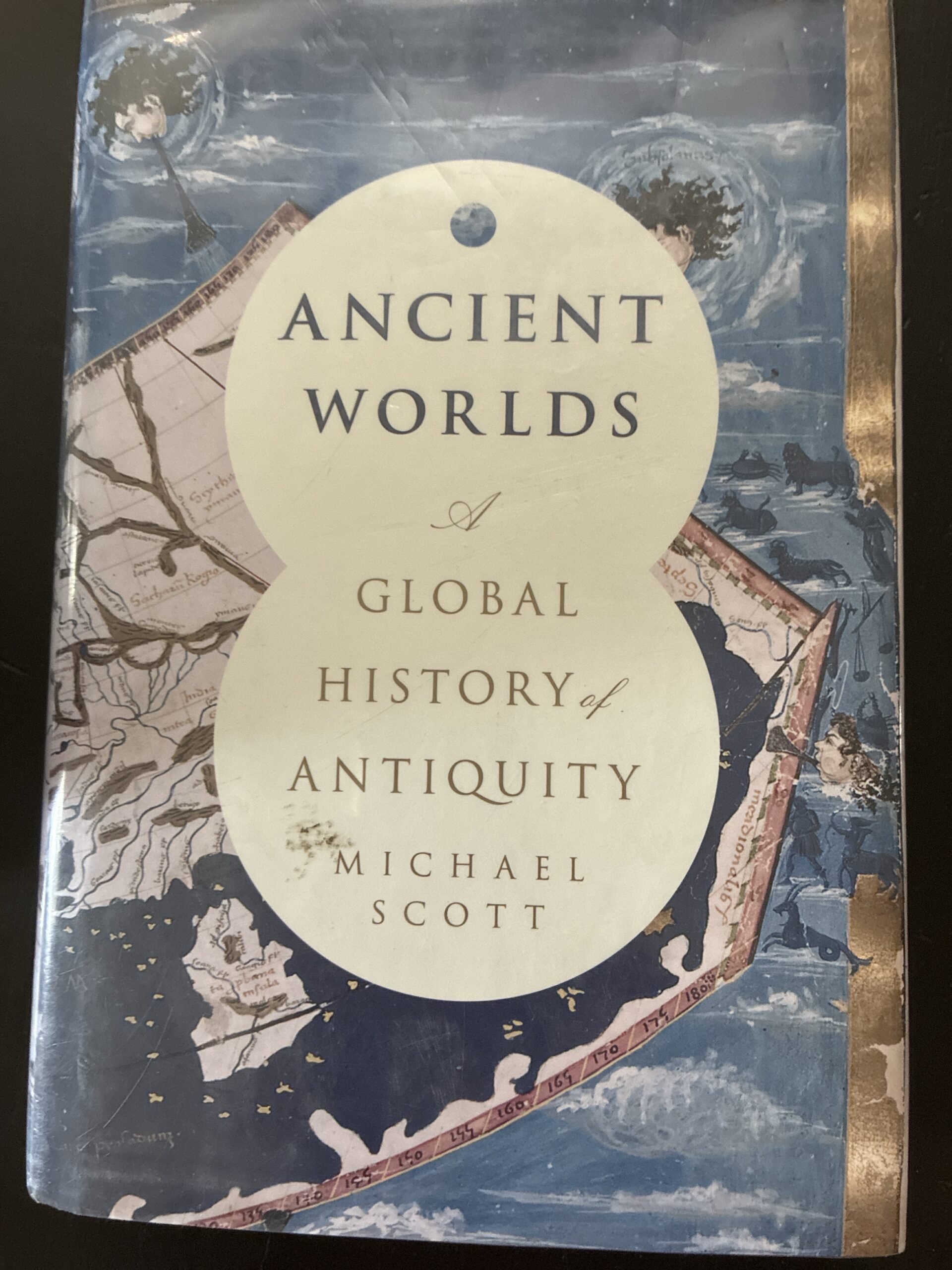
Michael Scott
Ancient Worlds: A Global History of Antiquity
Research relevance:
This work provides a comparative framework for understanding how ancient societies recorded, transmitted, and interpreted their past. It is used as a broader historical context for examining oral tradition, political memory, dynastic history, and the transition from remembered traditions to written historical narratives.
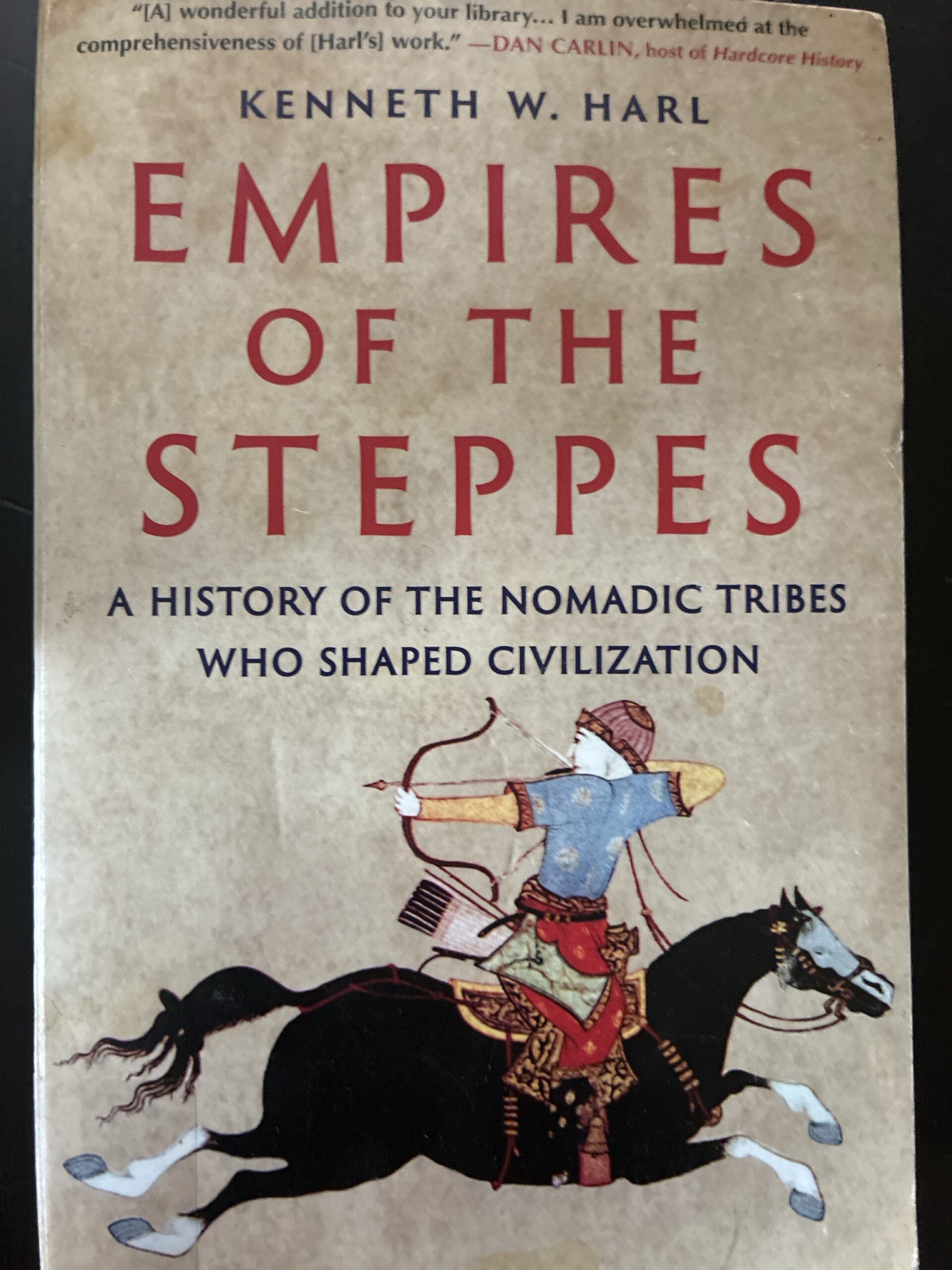
Kenneth W. Harl
Empires of the Steppes: A History of the Nomadic Tribes Who Shaped Civilization
Research relevance:
This work provides a broad historical survey of the nomadic societies and imperial traditions of the Eurasian steppe. It is used as a contextual source for examining the political, military, and cultural traditions that preceded and shaped the formation of the Mongol Empire and the historical world reflected in the Secret History of the Mongols.
Primary Sources
ARCHAEOLOGY & UNDERWATER EXPLORATION
Yoshifumi Ikeda — “Grants-in-Aid and Underwater Archaeological Research on the Mongol Invasions of Japan (Genko),” 2013 — Japan Society for the Promotion of Science.
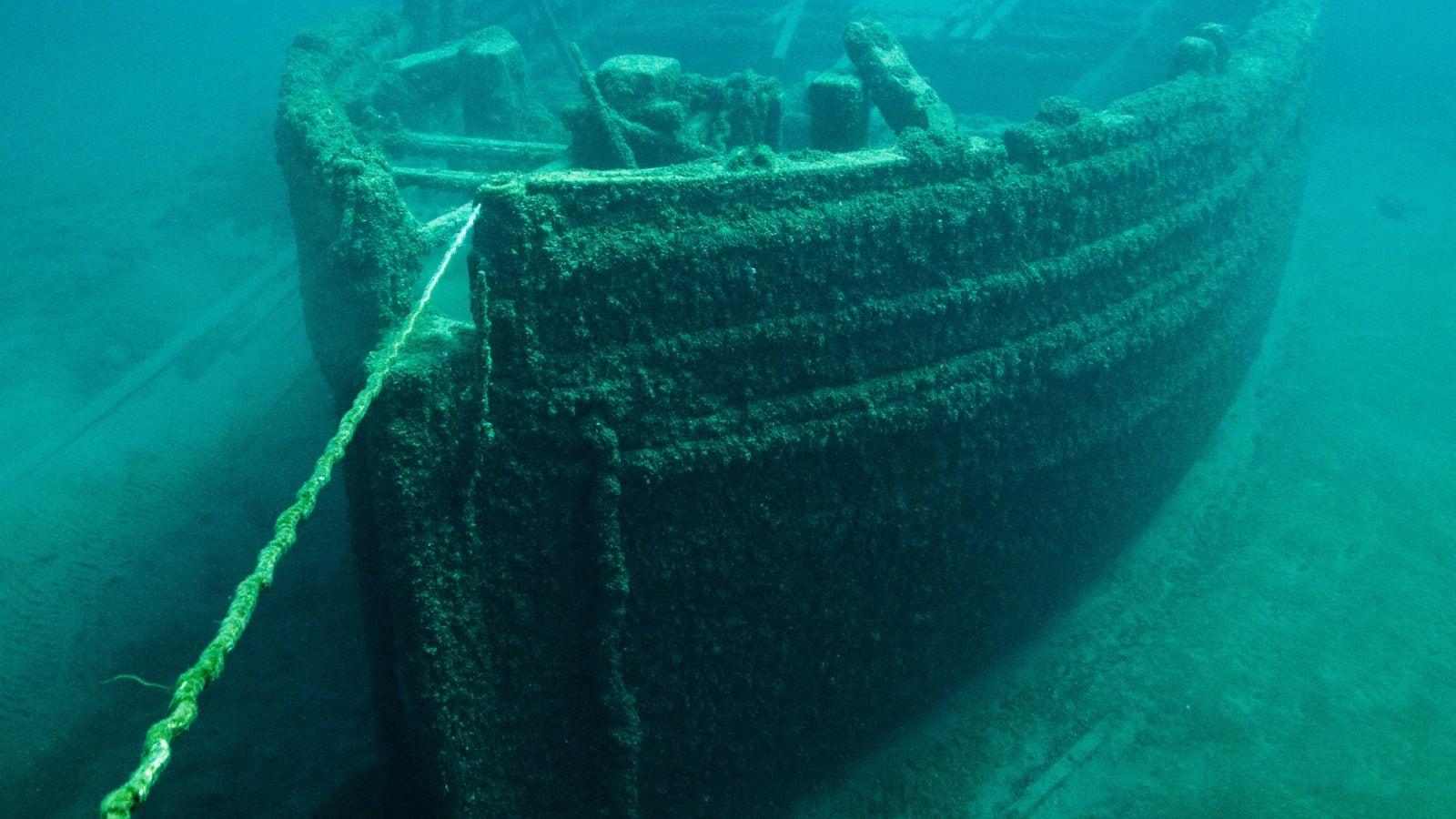
Такэшима арлын усан доорх археологийн судалгааны түүх, 1281 оны флотын сүйрсэн хөлөг онгоц хайсан малтлага, олдворуудын талаар. 日本学術振興会Yoshifumi Ikeda, Randy Sasaki & Jun Kimura — “Recent Underwater Investigations at Takashima: Searching for the Lost Fleet of the Mongol Empire,” 2018 — Current Science.
Такэшимагаас илэрсэн Хятадын гаралтай хоёр хөлөг онгоцны үлдэгдэл болон тэдгээрийн Юань улсын довтолгооны флоттой холбоотой болохыг судалсан өгүүлэл. Teikyo UniversityTakashima-chō Board of Education — Takashima Underwater Site: The Fifth Report of Takashima-chō Cultural Asset Survey, 2001 — Takashima-chō Board of Education, Nagasaki, Japan.
1994–2000 оны усан доорх малтлага, модон зангуу, хөлөг онгоцны мод, шаазан, зэвсэг болон бусад олдворын талаарх үндсэн археологийн тайлан. ARIUAKyushu and Okinawa Society for Underwater Archaeology — Takashima Underwater Site X: Fourth Report of Cultural Asset Survey at Kozaki Harbor, 2004 — Takashima-chō Board of Education, Nagasaki, Japan.
2003 оны Козаки боомтын усан доорх малтлага. Модон хөлөг онгоцны хэсэг, олс, яс, тоосго, Хятадын шаазан зэрэг олдворыг судалсан. ARIUAS. Kunitake & E. E. Voytishek — “Results of Underwater Excavations at Takashima Island, Japan, Associated With the Mongol Invasion of 1281,” 2025 — Yearbook Japan, Vol. 54, pp. 79–88.
2024 оны олон улсын экспедицийн үр дүн болон Takashima-3 усан доорх дурсгалын судалгааг нэгтгэсэн хамгийн шинэ судалгаануудын нэг. ResearchGateYoshifumi Ikeda — “The Research and Study of the Shipwrecks at the Mongol Invasions Using the Underwater Archaeological Method,” 2011–2016 — University of the Ryukyus / KAKENHI.
Imari Bay дахь хөлөг онгоцны үлдэгдлийг remote sensing болон усан доорх археологийн аргаар илрүүлэх, флотын бүтэц, хадгалалт хамгаалалтын асуудлыг судалсан томоохон төсөл. Судалгааны явцад хоёр хөлөг онгоцны үлдэгдэл илэрсэн. CiNii ResearchDaniele Petrella — “The Archaeological Excavation of Takashima Island: From Finds to the First Scientific-Historical Reconstruction,” 2008 — Proceedings of the XXXI Conference on Japanese Studies.
Такэшимагаас олдсон археологийн баримтаар хөлөг онгоцны бүтэц, багийн бүрэлдэхүүн, зэвсэг, усан зам болон шуурганы үүргийг дахин авч үзсэн судалгаа. IrisRandall James Sasaki — The Origin of the Lost Fleet of the Mongol Empire, 2009 — Texas A&M University.
Такэшимагаас олдсон хөлөг онгоцны үлдэгдэл, хөлөг онгоцны төрөл, барилгын технологи, Хятад ба Солонгосын усан онгоцны үйлдвэрлэлийн асуудлыг археологийн талаас судалсан бүтээл.
I. JAPANESE PRIMARY SOURCES
Takezaki Suenaga — Mōko Shūrai Ekotoba (Illustrated Account of the Mongol Invasions), c. 1293 — Imperial Household Agency, Tokyo.
13-р зууны сүүлчээр бүтээгдсэн зурагт гар бичмэл. 1274, 1281 оны дайнд оролцсон самурай Такэзаки Сүэнагагийн өөрийн байлдааны туршлага, гавьяаг дүрсэлдэг. Дайны дүрслэлийн хамгийн чухал япон анхдагч эх сурвалжийн нэг. National Diet Library, JapanAnonymous Court Compilers — Azuma Kagami (The Mirror of the East), c. 1300–1301 — Kamakura Historical Tradition, Japan.
Камакүрагийн сёгунатын үйл явдлыг тэмдэглэсэн шастир. 1266 он хүртэлх улс төр, цэрэг, засаг захиргааны мэдээллийг өгдөг бөгөөд Монголын довтолгооны өмнөх Камакүрагийн төрийн нөхцөл байдлыг ойлгоход чухал. National Archives of JapanAnonymous Shrine Record — Hachimangu Gudoki (Record of Hachiman Shrine), late 13th–14th century — National Archives of Japan, Tokyo.
Монголын довтолгооны үеийн Цүшима, Ики болон Японы сүм хийдүүдийн залбирал, шашны ойлголт, довтолгооны талаарх япон уламжлалт тайлбарыг хадгалсан эх сурвалж. Ялангуяа “divine protection” буюу тэнгэрлэг хамгаалалтын үзэл хэрхэн бүрэлдсэнийг судлахад чухал. National Archives of JapanAnonymous — Mōko Shūrai Kassen Emaki (Illustrated Battle Scroll of the Mongol Invasions), medieval manuscript — National Diet Library, Tokyo.
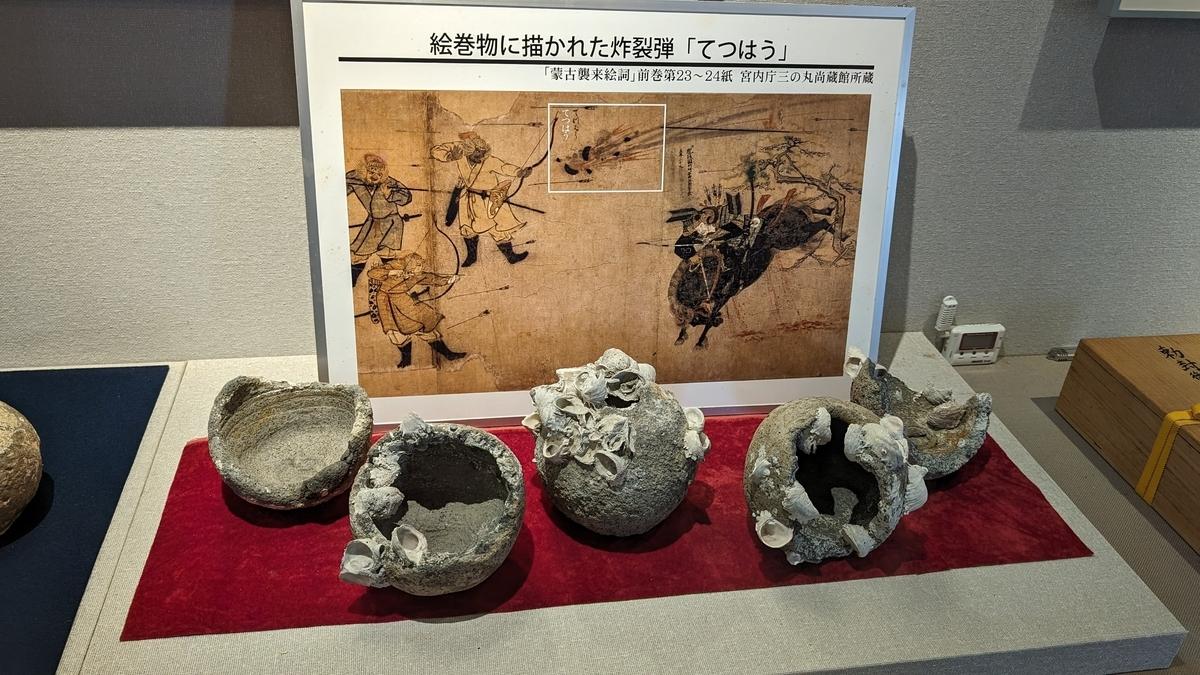
Монголын довтолгооныг дүрсэлсэн зурагт хуйлмал эх сурвалж. National Diet Library-ийн сан хөмрөгт хадгалагдаж буй хувилбар нь дөрвөн хуйлмалтай. 国立国会図書館サーチ(NDLサーチ)
II. CHINESE / YUAN SOURCES
- Song Lian 宋濂 et al. — Yuanshi 元史 (History of Yuan), 1370 — Zhonghua Book Company, Beijing, 1976 edition.
Юань улсын албан ёсны түүх. 1370 онд Мин улсын үед Сүн Лян тэргүүтэй түүхчид эмхэтгэж дуусгасан. Хубилай хааны Япон руу хийсэн 1274, 1281 оны экспедиц, Солонгосын оролцоо, цэрэг-захиргааны зохион байгуулалтын тухай Хятадын талын үндсэн эх сурвалж юм. Орчин үеийн судалгаанд ашиглахад 1976 оны 中华书局 хэвлэл түгээмэл хэрэглэгддэг. 国立国会図書館サーチ(NDLサーチ)
Standard citation:
Song Lian et al. — Yuanshi (History of Yuan), 1370 — Zhonghua Book Company, Beijing, 1976.
III. KOREAN / GORYEO SOURCES
- Jeong In-ji 鄭麟趾 et al. — Goryeosa 高麗史 (History of Goryeo), 1451 — National Institute of Korean History, Seoul, modern digital edition.
Гүрё улсын албан ёсны түүх. 1451 онд Жон Инжи тэргүүтэй түүхчид эмхэтгэн дуусгасан. Юань–Гүрёгийн харилцаа, Монголын цэрэгт Гүрёгийн оролцоо, усан онгоц үйлдвэрлэл, хүн хүч, дайны бэлтгэл болон Японы довтолгоотой холбоотой олон мэдээллийг агуулдаг. Korean History Database
Standard citation:
Jeong In-ji et al. — Goryeosa (History of Goryeo), 1451 — National Institute of Korean History, Seoul.
- Kim Jong-seo 金宗瑞 et al. — Goryeosa Jeolyo 高麗史節要 (Essentials of the History of Goryeo), 1452 — National Institute of Korean History, Seoul, modern digital edition.
Lorem ipsum dolor sit amet, consectetur adipiscing elit. Ut elit tellus, luctus nec ullamcorper mattis, pulvinar dapibus leo.