TERUNOFUJI HARUO
By Altanbagana Baatar
DBA Candidate| Founder & Organizer
Heavenly Wind 750 International Conference
Heavenlywind750.com | Imperilagg.com
01 November 2026
THE 73RD YOKOZUNA AND A LIVING BRIDGE BETWEEN MONGOLIA AND JAPAN
INTRODUCTION
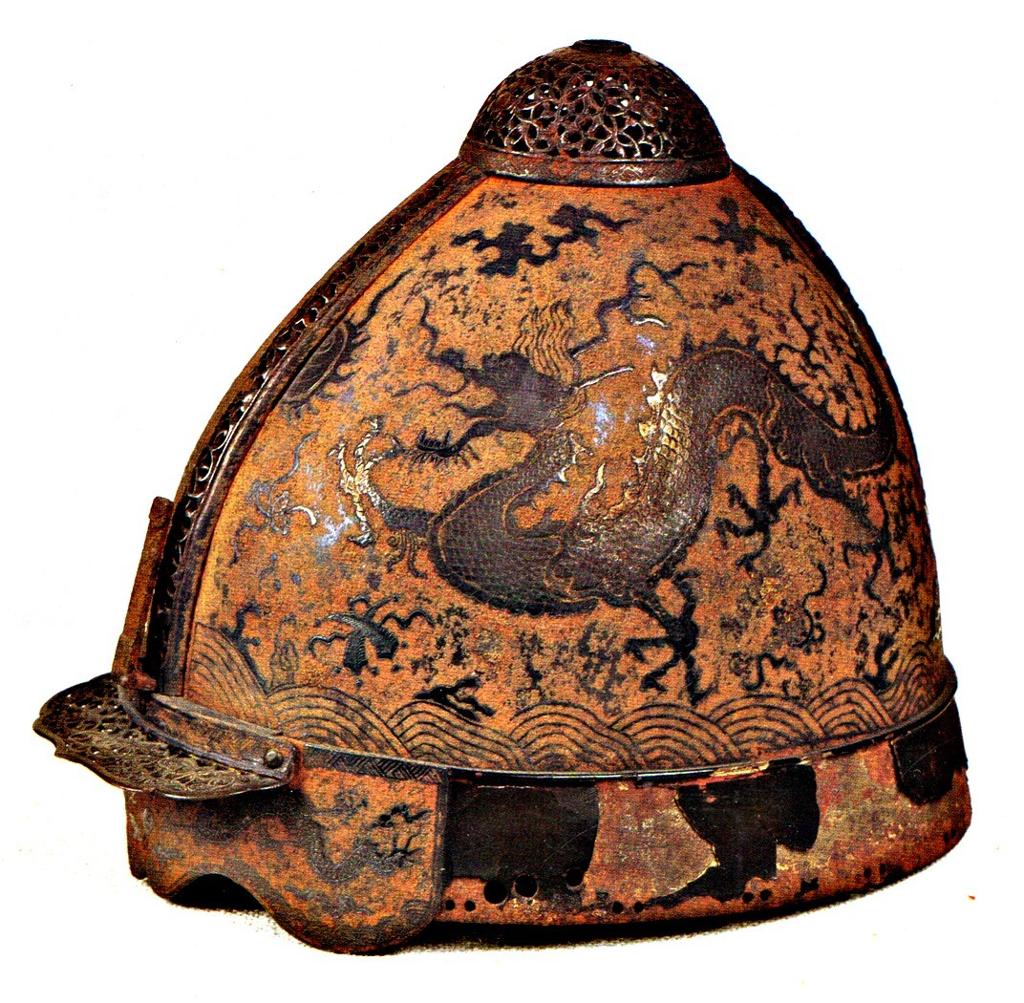
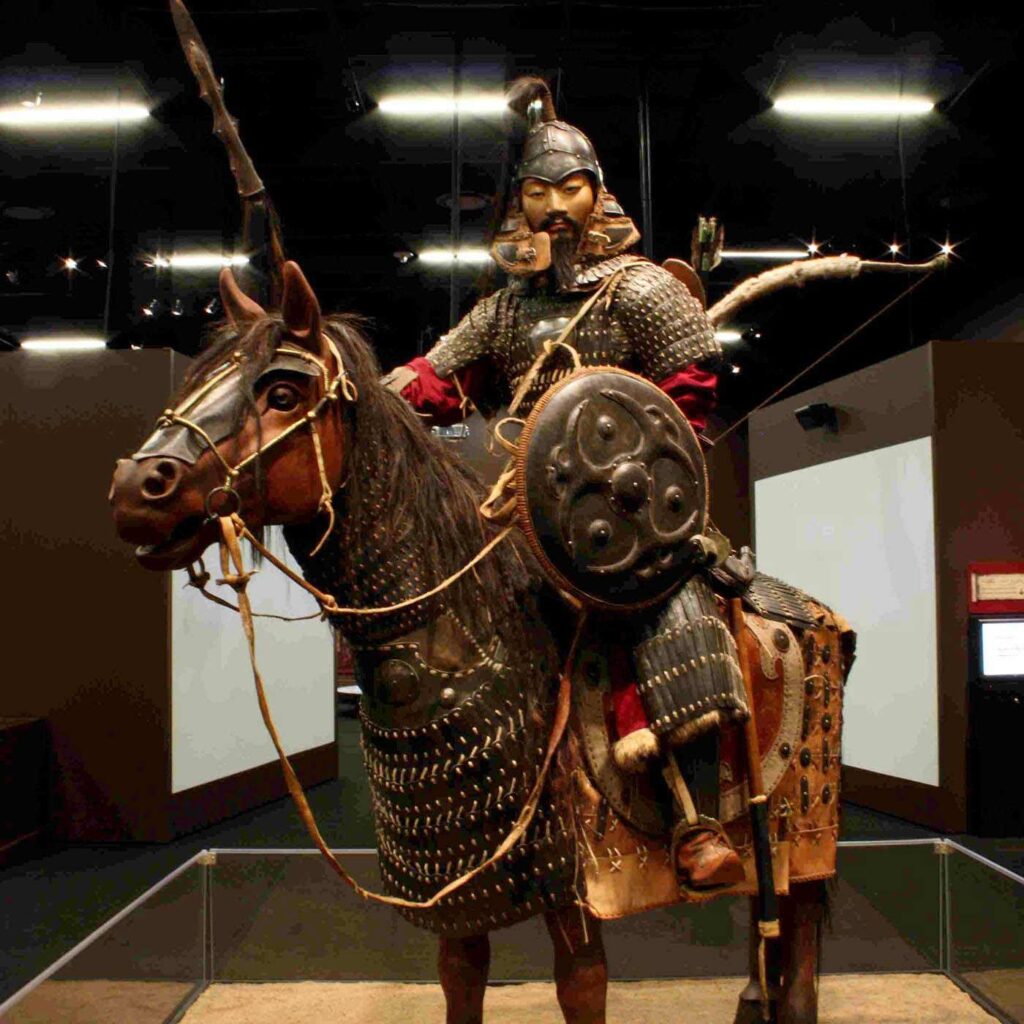
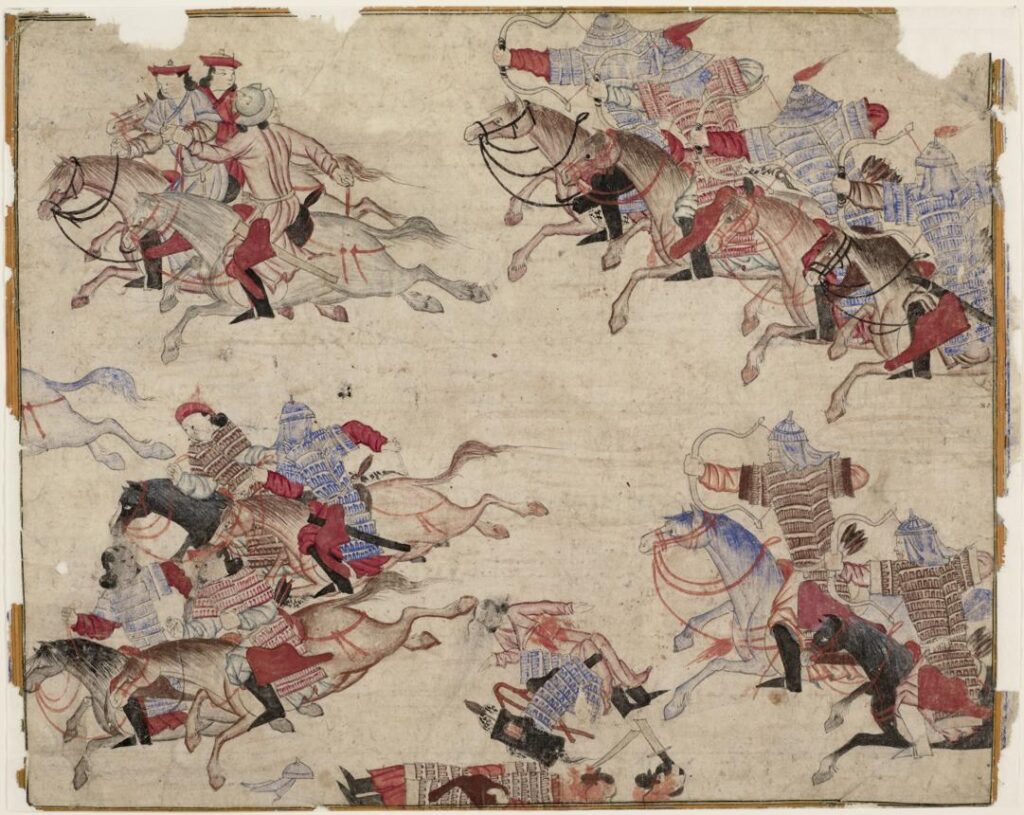
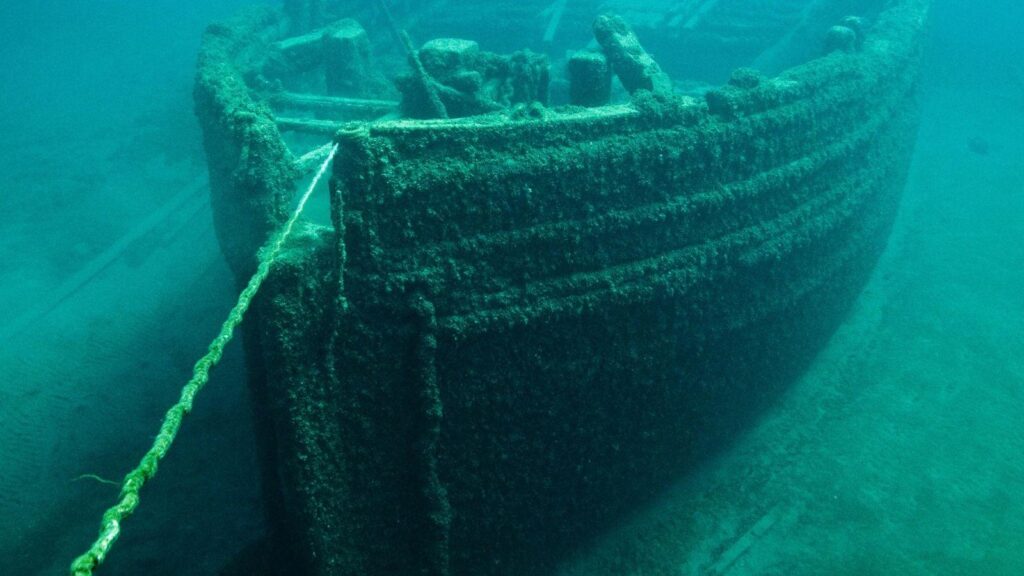
The history of Mongolia and Japan is often discussed through the lens of the Mongol-led Yuan Empire’s military expeditions against Japan in the thirteenth century. Yet the relationship between these two countries cannot be understood through conflict alone. Across the centuries, cultural exchange, mutual respect, and shared human experiences have also shaped their historical connection.
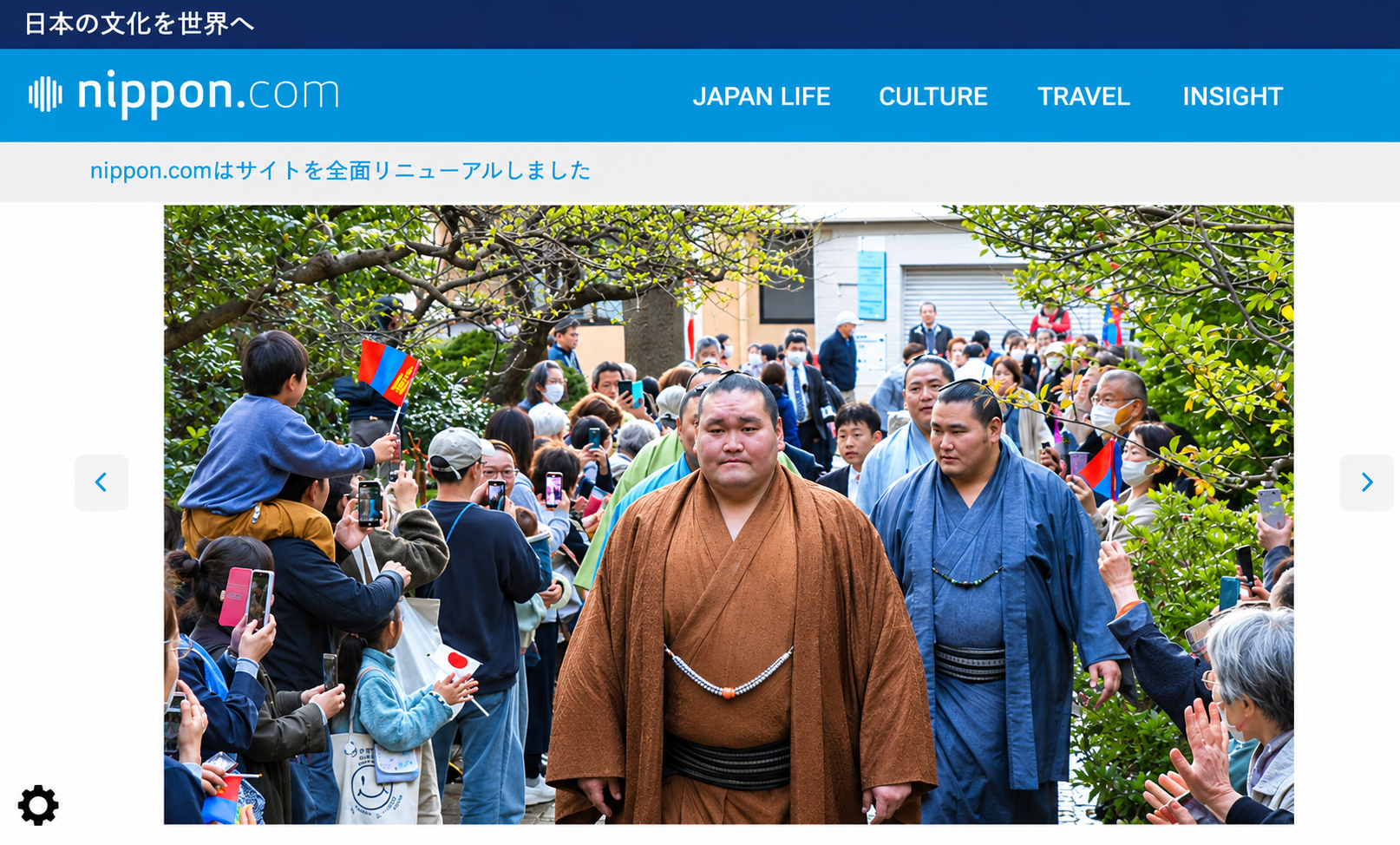
One meaningful example emerged on April 12, 2024, when Terunofuji Haruo (照ノ富士 春雄), the 73rd Yokozuna in the history of professional sumo, visited Jōryūji Temple in Fujisawa, Kanagawa Prefecture, Japan. He joined fellow Mongolian-born sumo wrestlers in paying their respects at the memorial dedicated to five Yuan diplomatic envoys executed in Japan in 1275.
This visit brought together two distinct historical periods: the tragic fate of a medieval diplomatic mission and the achievements of a modern Mongolian-born athlete who reached the highest rank in Japanese sumo.
TERUNOFUJI: FROM ULAANBAATAR TO THE HIGHEST RANK IN SUMO
Terunofuji Haruo was born in Ulaanbaatar, Mongolia, on November 29, 1991. He entered professional sumo in May 2011 and steadily advanced through the sport’s competitive ranking system.
His career was marked not only by extraordinary achievement but also by serious physical setbacks. After reaching the rank of Ōzeki in 2015, he experienced significant injuries and a prolonged decline in his ranking. His subsequent return to the top division and eventual promotion to Yokozuna represented one of the remarkable comebacks in modern sumo.
In September 2021, Terunofuji was promoted to the rank of Yokozuna, becoming the 73rd wrestler in the history of professional sumo to attain this distinction. He held the rank until his retirement in January 2025.
The Japan Sumo Association records his birthplace as Mongolia, identifies him as the 73rd Yokozuna, and documents ten top-division tournament championships during his career. These official records establish his place in the history of Japanese sumo and his significance as a Mongolian-born athlete.
THE MEMORIAL AT JŌRYŪJI TEMPLE
The significance of Terunofuji’s visit becomes clearer when considered against the history of the five Yuan envoys.
In 1275, following the first Mongol-led invasion of Japan in 1274, a diplomatic mission representing the Yuan dynasty arrived in Japan. The delegation was led by Du Shizhong (杜世忠). Its members were detained by the Kamakura authorities and ultimately executed at Tatsunokuchi, in present-day Fujisawa.
The five envoys are commemorated at Jōryūji Temple, where five stone memorial towers, known as gorintō, honor their memory. The memorial is commonly referred to as the Genshi Gonin-zuka (元使五人塚), or the Memorial of the Five Yuan Envoys.
It is important to distinguish the execution site from the memorial site: the envoys were executed at Tatsunokuchi, while their memory is preserved at Jōryūji Temple.
The temple and its memorial provide a physical place through which this difficult episode in Mongolian–Japanese history continues to be remembered.
APRIL 12, 2024: A VISIT OF REMEMBRANCE
On April 12, 2024, Terunofuji visited Jōryūji Temple alongside other Mongolian-born sumo wrestlers, including Ōzeki Kirishima and Sekiwake Hōshōryū, as well as Mongolia’s ambassador to Japan.
According to a report published by Nippon.com on the same day, thirteen Mongolian-born sumo wrestlers took part in the visit. A memorial service was held at the temple, and the wrestlers offered prayers at the memorial towers.
Terunofuji, despite having been affected by a recurring back injury, made the visit and paid his respects. His participation gave the occasion particular significance: a Mongolian-born Yokozuna was honoring the memory of diplomatic representatives who had died in Japan nearly 750 years earlier.
The Nichiren Shu’s June 2024 newsletter also reported the visit. It quoted Terunofuji expressing deep emotion at the opportunity to pay respects to the five envoys, whom he described as having built bridges between Japan and Mongolia.
Blue ceremonial scarves, known as khadag, were placed on the memorial towers. This modern commemorative gesture reflects Mongolian traditions of respect and reverence. According to the Nippon.com account, the practice was associated with a request made by former Yokozuna Hakuhō during an earlier visit.
The visit was therefore more than a sporting or diplomatic appearance. It was an act of remembrance that connected contemporary Mongolian identity with a shared historical past.
FROM HISTORICAL CONFLICT TO MUTUAL RESPECT
The execution of the five Yuan envoys remains a tragic episode in the history of relations between the Yuan dynasty and Japan. Their deaths occurred within a period of military confrontation, political uncertainty, and mutual distrust.
However, the 2024 visit demonstrates that historical memory does not have to remain confined to conflict. A memorial originally associated with a tragic event can also become a place for reflection, respect, and reconciliation.
The participation of Mongolian sumo wrestlers is particularly meaningful because sumo itself is a deeply established Japanese cultural institution. Mongolian athletes have made an extraordinary contribution to its modern history, reaching its highest ranks and becoming prominent figures in Japanese society.
Terunofuji’s presence at Jōryūji illustrates this connection. His achievements in Japan represent a contemporary chapter in the long history of interaction between the two countries.
The visit does not erase the tragedy of 1275, nor should it be interpreted as proof that historical disagreements have been resolved. Rather, it offers an example of how remembrance and mutual respect can create a meaningful relationship with the past.
AUTHOR’S THESIS
Terunofuji Haruo’s visit to Jōryūji Temple should be understood as more than a symbolic appearance by a celebrated athlete. It represents the intersection of historical memory, cultural identity, and contemporary relations between Mongolia and Japan.
In 1275, five Yuan envoys lost their lives in Japan during a period of political and military confrontation. In April 2024, a Mongolian-born Yokozuna stood before their memorial to pay his respects.
The historical significance lies in this contrast. A place associated with the tragedy of medieval diplomacy has also become a place where people from both countries can express remembrance and respect.
For the Heavenly Wind 750 initiative, this episode offers an important perspective: the history of the Mongol–Japan relationship should not be studied only through military campaigns, victories, defeats, and political decisions. It should also examine the human experiences, cultural encounters, and acts of remembrance that have shaped the relationship across generations.
History preserves the memory of conflict. Mutual respect gives that memory a future.
REFERENCES AND SOURCES
Japan Sumo Association. “Terunofuji Haruo – Rikishi Profile.” Official profile confirming his birthplace, Yokozuna rank, promotion, retirement, and career record.
https://www.sumo.or.jp/EnSumoDataRikishi/profile/3321/Japan Sumo Association. “The 73rd Yokozuna: Terunofuji Haruo.” Official historical Yokozuna profile.
https://www.sumo.or.jp/Yokozuna/profile/117/Nippon.com. “Mongol Invasion 750 Years (3): The Temple Visited by Mongolia-born Yokozuna Terunofuji and Other Wrestlers, and the Tragedy of the Yuan Envoys.” April 12, 2024.
https://www.nippon.com/ja/japan-topics/c13703/Nichiren Shu News. “Mongolian Sumo Wrestlers Visit Joryuji Temple in Memory of the Mongolian Emissaries.” No. 262, June 1, 2024. By Rev. Sensho Komukai.
https://news.nichiren-shu.org/news/id297/Town News Fujisawa. “Yokozuna Terunofuji and Other Mongolian Wrestlers to Visit the Memorial at Jōryūji Temple.” March 1, 2024.
https://www.townnews.co.jp/0601/2024/03/01/722617.html
IMPERIALGG.COM
HEAVENLYWIND750.COM