THE MONGOL NAVAL EXPEDITIONS OF 1274 AND 1281: UNDERWATER ARCHAEOLOGY, SHIPWRECKS, AND MATERIAL EVIDENCE
By Altanbagana Baatar
DBA Candidate| Independent Historian
ImperialGG Historical Research Seriers
23 October 2026
ABSTRACT
The Mongol-led invasions of Japan in 1274 and 1281 were among the most ambitious maritime military operations of medieval East Asia. Although Japanese historical memory often associates the failure of the second invasion with the divine wind, or kamikaze, underwater archaeology provides a different and more materially grounded perspective. Investigations around Takashima Island in Nagasaki Prefecture, within Imari Bay, have recovered wooden anchors, ship timbers, Chinese ceramics, bricks, weapons, arrow bundles, and other objects associated with the thirteenth-century maritime campaigns.
This article examines the principal archaeological discoveries, the history of their recovery, the researchers responsible for investigating them, the scientific methods used to date selected materials, and the limits of the conclusions that can be drawn. Particular attention is given to the 1974 discovery of a bronze seal bearing Phags-pa script, the wooden anchors excavated in 1994, the 2000–2003 investigations at Kozaki Harbor, and the radiocarbon study published by Kazuhiro Suzuki and colleagues in 2001. The later research of Yoshifumi Ikeda, Randall Sasaki, and Jun Kimura is also examined in relation to ship construction and the probable origins of the vessels.
The evidence indicates that Takashima preserves important material remains of the Mongol-led invasion of 1281. However, archaeological context, scientific dating, historical identification, and the precise cause of each vessel’s loss must be evaluated separately. The site does not simply illustrate a legend: it provides an opportunity to investigate the logistics, technology, and vulnerabilities of medieval East Asian naval warfare.
Keywords: Mongol Empire; Yuan dynasty; Kublai Khan; Mongol invasions of Japan; Takashima; underwater archaeology; shipwrecks; radiocarbon dating; maritime history; kamikaze.
1. INTRODUCTION: FROM HISTORICAL NARRATIVE TO ARCHAEOLOGICAL EVIDENCE
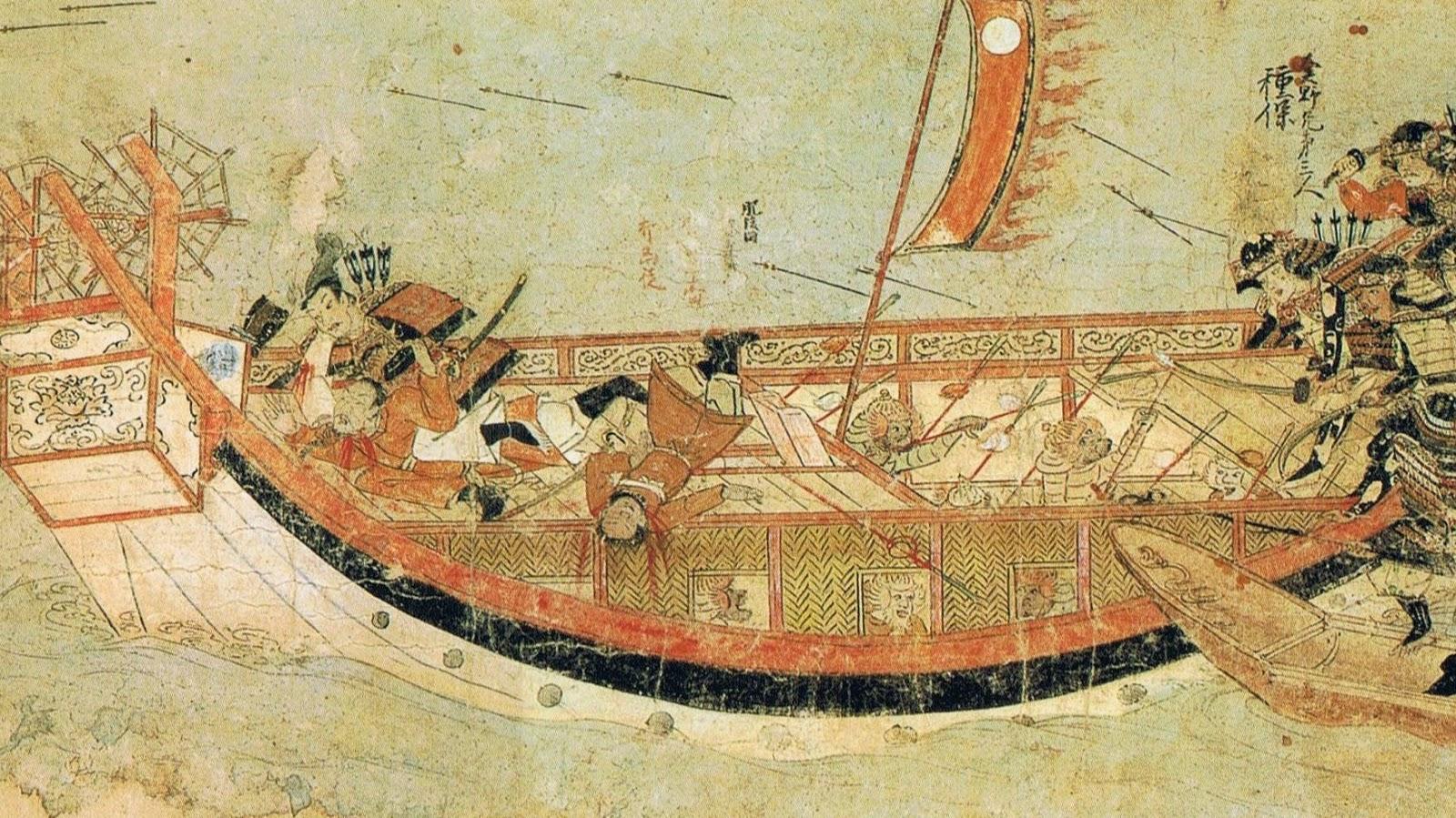
The invasions of Japan in 1274 and 1281 brought the maritime forces of the Mongol Empire and its subordinate territories into conflict with the Japanese archipelago. The campaigns were organized under the authority of Kublai Khan, the Yuan emperor, and involved military personnel, vessels, and maritime resources drawn from different parts of East Asia.
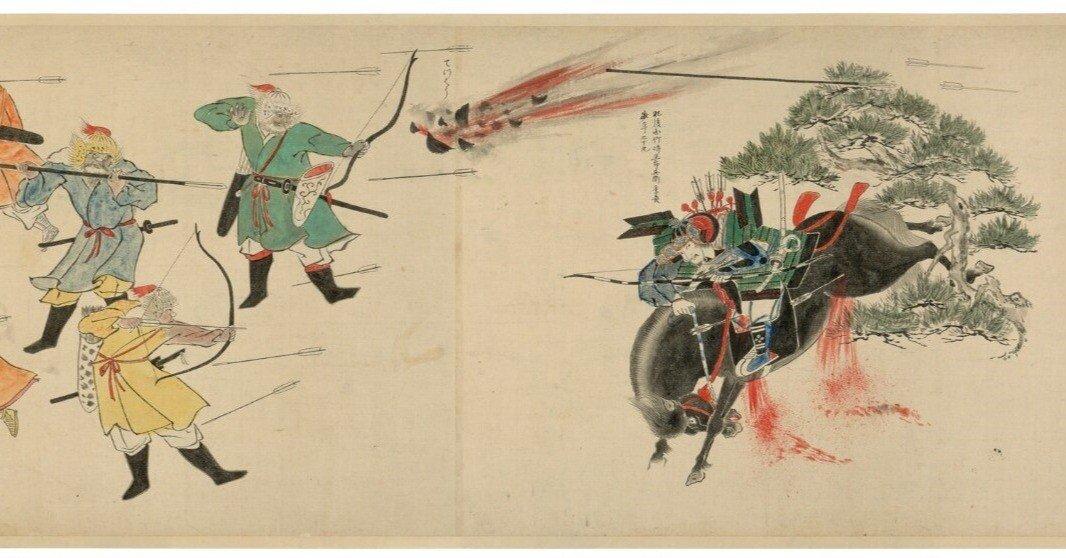
The first expedition, in 1274, reached the islands of Tsushima and Iki before engaging Japanese defenders in northern Kyushu. The second, much larger campaign in 1281, involved forces associated with Korea and the Chinese coastal regions. Its fleets faced formidable difficulties in coordinating, transporting, supplying, and landing a large expeditionary force across a contested maritime environment.
For centuries, the history of the invasions was shaped by written chronicles, warrior narratives, religious interpretations, and the cultural memory of the kamikaze. These sources remain indispensable, but they do not answer every question about the physical composition of the fleets.
What did the ships look like? Where were they built? What types of anchors did they use? How were troops and supplies transported? What materials survived underwater? Can individual ship remains be assigned securely to the expedition of 1281? What can scientific dating establish about the age of a ship’s timber?
These questions require a combination of historical research, nautical archaeology, material analysis, and environmental investigation.
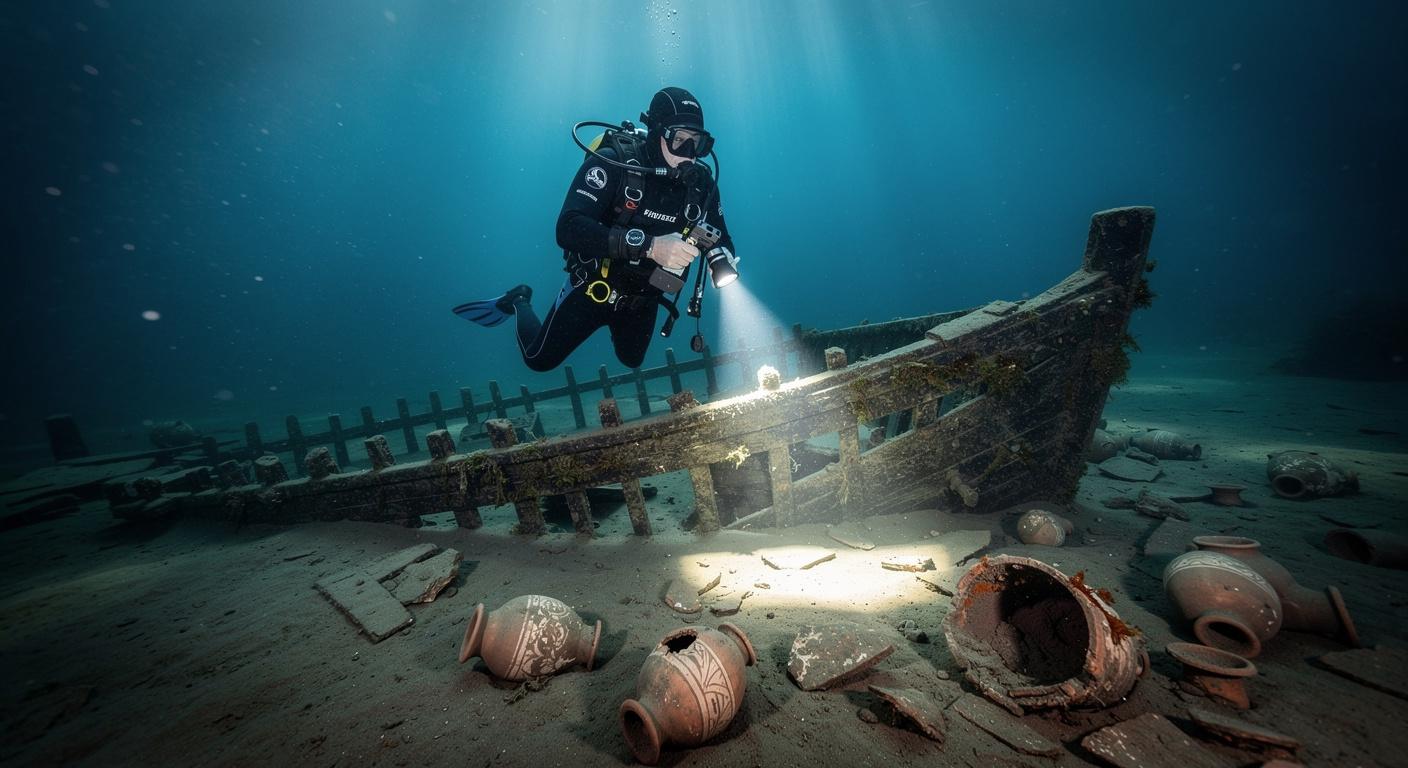
One of the most important locations for this work is the Takashima underwater archaeological site in Nagasaki Prefecture, Japan. The surrounding waters have produced objects associated with the Mongol-led campaigns, including wooden anchors, ship timbers, Chinese ceramics, bricks, and military equipment. Research has progressed from discoveries made by local fishermen to systematic underwater surveys and scientific analyses.
The objective of this article is to reconstruct the history of the principal discoveries and assess their significance without treating every object recovered from the seabed as automatically belonging to the same expedition.
2. THE HISTORICAL BACKGROUND: TWO EXPEDITIONS, TWO DIFFERENT OPERATIONS
2.1 The expedition of 1274
The first invasion took place in 1274. Yuan forces operating through the Korean peninsula crossed the sea toward Tsushima and Iki before reaching northern Kyushu. The expedition demonstrated that the Yuan government could mobilize a substantial maritime force, transport troops across the Korea Strait, and conduct amphibious operations against Japanese coastal defenses.
The campaign was not simply a naval battle. It required the coordination of soldiers, sailors, transports, provisions, weapons, and landing operations. The fleet had to move through narrow sea passages, reach suitable landing locations, and sustain troops operating beyond their principal bases.
The archaeological identification of individual wrecks from 1274 is difficult. The best-known concentrations of ship remains at Takashima are generally associated with the disastrous second invasion of 1281. Therefore, evidence from the two campaigns must not be combined without a specific archaeological or documentary justification.
2.2 The expedition of 1281
The second invasion was larger and more complex. The forces are conventionally associated with two major components: an Eastern Route force assembled through Korea and a Jiangnan force organized in the former Southern Song territories of China.
The two components differed in their geographical origins, routes, and logistical arrangements. Their coordination presented an enormous challenge. Vessels had to carry soldiers, horses, weapons, food, water, and other supplies. Crews also had to navigate unfamiliar waters and maintain the ships during an extended military operation.
The Japanese defenses around Hakata Bay, including coastal fortifications, complicated the landing process. The invading forces were unable to achieve the decisive conquest intended by the Yuan government. A major storm or series of severe weather events contributed to the disaster, but the military outcome cannot be explained by weather alone.
The archaeological evidence from Takashima is particularly important because it allows researchers to investigate the physical remains of the fleet rather than relying exclusively on narrative descriptions of the campaign.
3. TAKASHIMA: THE FORMATION OF AN UNDERWATER ARCHAEOLOGICAL SITE
Takashima lies in the waters of Imari Bay, off the coast of Nagasaki Prefecture in northwestern Kyushu. The island’s southern coastal waters became known for recovering objects associated with the invasion of 1281.
Local fishermen had recovered jars, vessels, and other objects from the sea for generations. Such discoveries eventually attracted archaeological attention. A bronze seal bearing Phags-pa characters was found in 1974, providing one of the most significant early clues connecting material remains in the area with the Yuan period.
The importance of the site increased as underwater surveys and rescue excavations were undertaken. The underwater archaeological area was designated as a protected cultural-property site in the early 1980s. Subsequent investigations documented concentrations of artifacts and submerged ship remains.
The history of the site must nevertheless be understood in context. Some objects were recovered by fishermen before systematic archaeological recording was possible. Other materials were discovered during controlled excavations. These two categories do not have the same evidentiary value.
An object recovered without a recorded position may still be historically important, but it cannot provide the same information about stratigraphy, association, or the sequence of deposition as an object excavated within a documented archaeological context.
The reports produced by the Kyushu and Okinawa Society for Underwater Archaeology and the Takashima-cho Board of Education are therefore essential. They document excavation areas, sediment conditions, artifact distributions, and the development of the research program.
4. THE 1974 BRONZE SEAL: A MATERIAL CONNECTION WITH THE YUAN ADMINISTRATION
4.1 Discovery and identification
A bronze seal bearing an inscription in Phags-pa script was discovered in 1974 near the coast of Takashima. The object attracted particular attention because Phags-pa was used for official purposes under the Yuan dynasty.
The inscription has been transcribed in the literature as kuan-chun-tsung-pa-in. The seal has been interpreted as an official seal associated with a Yuan military officer or administrative authority. Published research identifies it as having been manufactured in 1277.
The date is significant. It places the production of the seal within the period between the first and second invasions of Japan. The object therefore provides a potentially important link between the Yuan administrative system and the material remains found in the waters around Takashima.
4.2 What the seal can establish
The seal demonstrates the presence of an object associated with Yuan official authority in the Takashima area. Its inscription and assigned production date make it relevant to the study of the second expedition.
However, several questions must be distinguished.
First, the date of manufacture is not necessarily the date when the seal entered the sea. Second, an object associated with a Yuan official does not independently establish the identity of a particular shipwreck. Third, the exact circumstances under which the seal was deposited or recovered affect how securely it can be linked to a specific event.
The seal is therefore important as a historical and administrative artifact, but it should not be used as a standalone proof of the precise location or circumstances of a ship’s sinking.
4.3 Research significance
The discovery illustrates the value of combining epigraphy, historical chronology, and archaeology. Its inscription provides information that cannot be obtained from the object’s material alone. Conversely, the archaeological location gives the inscription a geographical context.
A full publication should include the seal’s dimensions, weight, precise inscription, current collection or museum location, catalog number, and the scholarly basis for the 1277 date. These details should be checked against the original archaeological report and specialist publications before final publication.
5. THE 1994 WOODEN ANCHORS: DIRECT EVIDENCE OF MARITIME TECHNOLOGY
5.1 Excavation
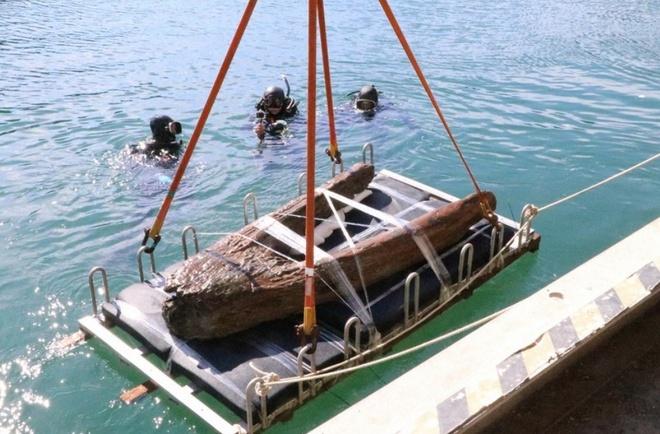
The 1994 rescue excavation at Takashima produced large wooden anchors in archaeological context. The excavation report records the recovery of three wooden anchors and numerous stone anchor components, together with other wooden materials and associated objects.
The importance of the discovery lies not merely in the number of objects but in the opportunity to examine the construction of medieval anchors.
An anchor is a functional component of a vessel’s equipment. Its dimensions, timber selection, joinery, and relationship to stone components can reveal aspects of shipboard technology. Anchors can also help researchers understand how vessels were designed to operate under different maritime conditions.
The 1994 discovery was particularly valuable because the archaeological team could examine the structure of the anchors rather than studying only isolated pieces collected from the seabed.
5.2 The construction of the anchors
Wooden anchors combined timber structures with stone components that supplied weight. Their effectiveness depended on the relationship between the anchor’s mass, shape, rope attachment, and the seabed in which it was intended to hold.
A detailed technical study should document:
The species of wood, where identification has been performed.
The dimensions and preserved condition of each anchor.
The number, size, and arrangement of associated stone components.
The method used to join wooden and stone elements.
The presence and condition of rope or attachment traces.
Evidence of damage, repair, or reuse.
The relationship between each anchor and the surrounding archaeological deposits.
These details should not be inferred from general illustrations of medieval anchors. They must be taken from the excavation records and specialist analyses of the actual specimens.
5.3 Historical interpretation
The anchors are among the strongest forms of material evidence for understanding the maritime equipment associated with the Takashima wreck site. Their context and subsequent scientific dating support their connection with the period of the second invasion.
Nevertheless, an anchor’s archaeological association is not identical to a complete reconstruction of the vessel that carried it. Without a preserved ship-anchor association, researchers should avoid assigning a particular anchor to a specific hull or fleet division unless additional evidence supports the identification.
The discovery of wooden anchors is significant because it moves the discussion beyond the number of ships described in historical narratives. It offers physical evidence of the equipment used by medieval vessels operating in the waters around Japan.
6. THE 2001 RADIOCARBON STUDY: TESTING THE CHRONOLOGY SCIENTIFICALLY
One of the most important scientific studies of the Takashima materials was published in 2001 by Kazuhiro Suzuki, Hirotaka Oda, Mitsuhiko Ogawa, Etsuko Niu, Akiko Ikeda, Toshio Nakamura, and Akiko Matsuo.
The article, published in Proceedings of the Japan Academy, Series B, examined wooden anchors and planks recovered from submerged wrecks at Takashima in Imari Bay. The researchers used accelerator mass spectrometry (AMS) radiocarbon dating to establish the ages of selected samples.
6.1 The samples and their reported results
The published study reported the following radiocarbon ages:
| Material | Reported radiocarbon age | Published calibrated range |
|---|---|---|
| Bamboo | 745 ± 20 BP | AD 1268–1284 |
| Wood from an intact wooden anchor | 770 ± 20 BP | AD 1257–1279 |
| Ship plank sample 1 | 840 ± 20 BP | AD 1191–1236 |
| Ship plank sample 2 | 865 ± 20 BP | AD 1163–1215 |
These are the ranges reported in the article. They should be reproduced with the calibration assumptions and sample descriptions supplied by the original researchers, rather than treated as universal date ranges independent of the method used.
6.2 What AMS dating measures
Radiocarbon dating estimates the age of organic material by measuring the remaining radioactive carbon-14 relative to stable carbon isotopes. AMS allows researchers to measure small samples with high sensitivity.
The result is not a direct measurement of the year in which a ship sank. It estimates the time when the sampled biological material stopped exchanging carbon with the environment.
For wood, this distinction is especially important. The tree may have been felled years or decades before the timber was used. Older timber may also have been reused in a later vessel. Bamboo, wooden anchors, and ship planks can therefore produce different age estimates even when they are associated with the same archaeological event.
6.3 Interpreting the anchor dates
The bamboo sample’s reported calibrated range of AD 1268–1284 overlaps the period of the second invasion. The wooden anchor’s reported range of AD 1257–1279 is also consistent with manufacture shortly before the 1281 campaign.
The plank dates are older. The researchers interpreted them as compatible with timber from vessels contemporary with the invasion period, while acknowledging the distinction between the age of the timber and the use of the ship.
The study concluded that the dating results supported the identification of the anchors and planks as remains associated with Mongol warships involved in the second invasion.
For an academic article, the conclusion should be presented accurately: the scientific dates support the historical identification when considered alongside the archaeological context. Radiocarbon dating alone does not identify the nationality of a ship or prove that every dated object belonged to the same fleet.
6.4 Why this study matters
The 2001 study represents an important methodological advance because it subjected materials from a historically significant wreck site to an independent scientific dating procedure.
Instead of assigning an object to 1281 solely because it was recovered in a location associated with the invasion, researchers could compare the scientific age estimate with the historical chronology.
This combination of archaeological context and laboratory analysis is essential to the modern study of medieval shipwrecks.
7. THE 2000–2003 INVESTIGATIONS AT KOZAKI HARBOR
The investigations at Kozaki Harbor provided a more detailed view of the distribution and composition of artifacts associated with the Takashima site.
7.1 The 2000 excavation
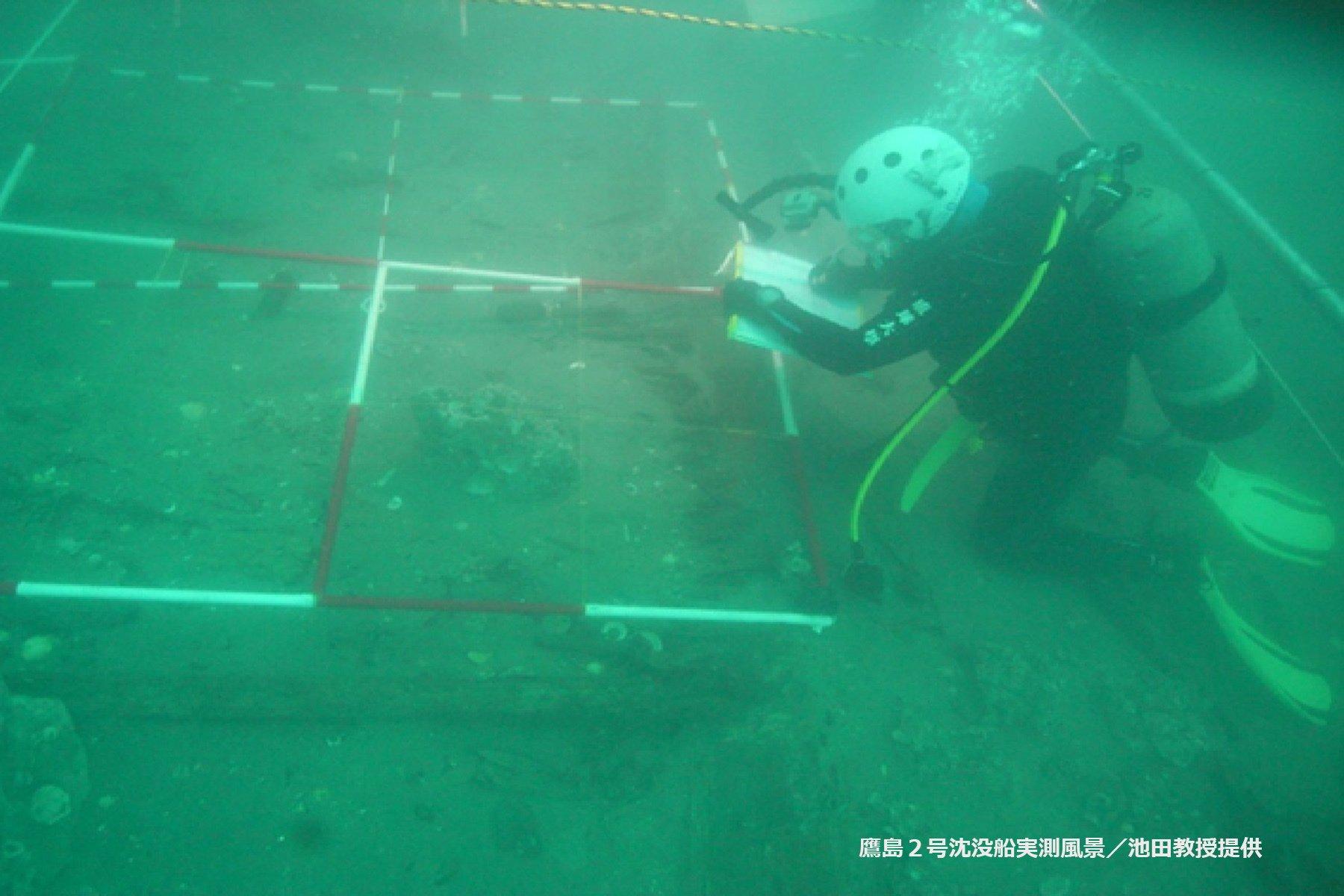
According to the archaeological report, the first test-trench excavation at Kozaki Harbor took place from 29 July to 7 August 2000. The trench measured approximately 2 by 10 meters and was divided into smaller excavation grids.
The researchers documented sediment layers and recovered Chinese brown-glazed earthenware and a fragment of Chinese brick from the lower layer of one grid. Additional materials, including pottery fragments and numerous Chinese bricks, were collected among rocks on the adjacent seabed slope.
These finds are important because they provide information about the distribution of artifacts and the sedimentary environment in which they were deposited.
The excavation also illustrates the practical difficulties of underwater archaeology. Visibility was low, and sediment removal was necessary. The excavation report records that some lower layers were not completely excavated, which limits the conclusions that can be drawn from the test trench.
7.2 The 2001 excavation
The sixth report of the Takashima-cho cultural asset survey documents a rescue excavation at Kozaki Harbor between 17 August and 25 October 2001.
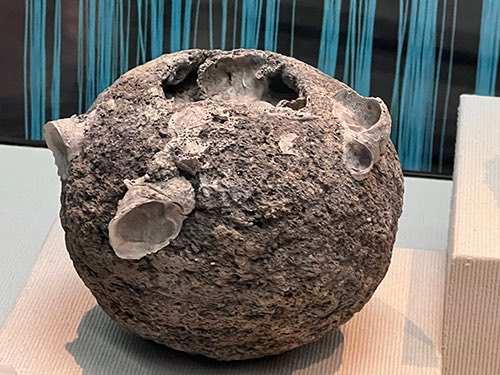
The report describes Chinese pottery and ceramics, timber fragments, a mast-step-related component, weapons including arrows and swords, and spherical ceramic objects interpreted as explosive projectiles.
The discovery of a bundle containing more than seventy iron arrows is especially relevant to the study of military equipment. The objects had corroded and hardened into a compact mass. X-ray examination was used to investigate the bundle’s interior, but corrosion and the deterioration of the iron made detailed identification difficult.
This is an important reminder that the archaeological record does not preserve every object in an immediately recognizable form. Scientific imaging can reveal internal structures, but it cannot always recover information that corrosion has destroyed.
7.3 The 2002 and 2003 investigations
The subsequent reports document additional excavation and artifact recovery. The 2003 survey recovered timber fragments, metal objects, bone, bricks, Chinese ceramics, and rope fragments.
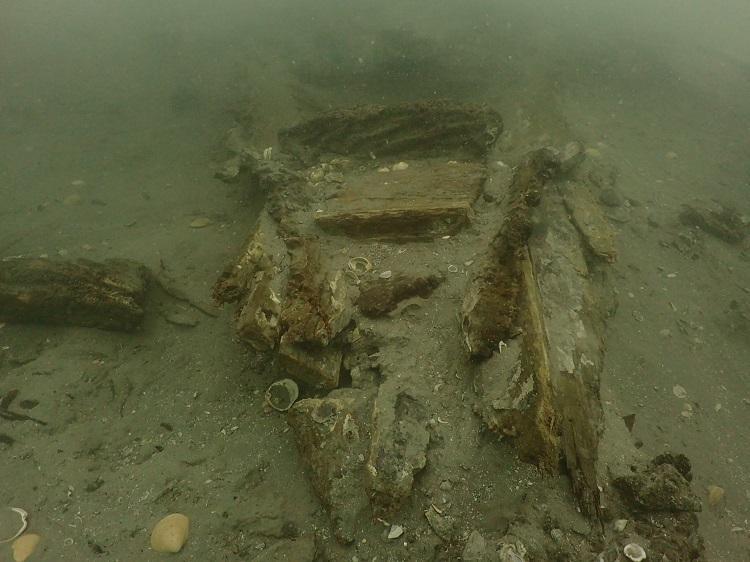
These materials should not be treated as one undifferentiated assemblage. Timber fragments may derive from different parts of a ship, while pottery, bricks, ropes, and metal objects may represent cargo, shipboard equipment, construction materials, or other activities.
The correct interpretation depends on the object’s precise location, association with other materials, condition, and comparison with securely identified examples.
The Kozaki investigations are valuable because they move beyond the discovery of isolated artifacts and allow researchers to study concentrations of material across a defined underwater landscape.
8. SHIP TIMBERS AND THE QUESTION OF VESSEL ORIGIN
One of the most challenging questions in the archaeology of the Mongol invasions concerns the origins of the ships.
The fleet associated with the 1281 expedition was not necessarily composed of vessels built in a single place or according to a single construction tradition. The Yuan government drew upon maritime resources from territories with different shipbuilding practices.
Historical accounts, archaeological remains, and comparative nautical studies suggest that Chinese and Korean shipbuilding traditions were both relevant to the broader military operation.
However, assigning a specific timber fragment to a particular region requires technical analysis.
Researchers must examine the shape of the timber, its original position within the hull, the methods used to join it to other components, the form of fastenings, and any surviving tool marks. These characteristics must then be compared with securely identified vessels and historical shipbuilding traditions.
8.1 Randall Sasaki’s research
Randall James Sasaki’s research on the lost fleet is an important contribution to this problem. His master’s thesis, The Origin of the Lost Fleet of the Mongol Empire, was submitted to Texas A&M University in December 2008. His subsequent book, The Origins of the Lost Fleet of the Mongol Empire, was published by Texas A&M University Press in 2015.
Sasaki developed a database of timber categories and investigated joinery methods and shipbuilding practices. His work examined how the surviving remains might be compared with vessels built in different regions of East Asia.
The research suggested that many of the studied remains were consistent with smaller vessels built in China’s Yangtze River region. However, Sasaki emphasized that the evidence did not permit conclusive identification of the origins of every vessel.
This qualification is essential. A particular joint or timber form may be characteristic of a regional tradition without being exclusive to it. Shipbuilders could adopt techniques from neighboring regions, and vessels could be repaired or modified during their working lives.
The archaeological remains should therefore be used to reconstruct the diversity of the fleet rather than to force every ship into a single national or regional category.
8.2 What the ship remains reveal
The surviving timbers can help answer questions about:
The construction methods employed in East Asian vessels.
The relationship between hull components and internal structural supports.
The possible differences between transport vessels and other ship types.
The use of regional shipbuilding traditions in a large imperial military operation.
The preservation and deterioration of wooden vessels in a submerged environment.
These questions are central to understanding the maritime capabilities of the Yuan state. The fleet’s size was only one aspect of its power. The construction, maintenance, navigation, and supply of the ships were equally important.
9. YOSHIFUMI IKEDA AND THE DEVELOPMENT OF SYSTEMATIC UNDERWATER RESEARCH
Yoshifumi Ikeda has played an important role in the development of systematic research at Takashima. His investigations combined archaeological excavation with survey methods designed to locate and document submerged cultural remains.
The research program included acoustic measurements, positioning systems, seabed mapping, and controlled excavation. These methods helped researchers identify promising areas for investigation and record the spatial relationships between ship timbers and other objects.
A key distinction must be made between locating a possible ship structure and identifying a complete shipwreck. Underwater surveys can reveal concentrations or patterns of objects, but excavation and subsequent analysis are required to determine whether these represent a hull, scattered structural components, or a disturbed deposit.
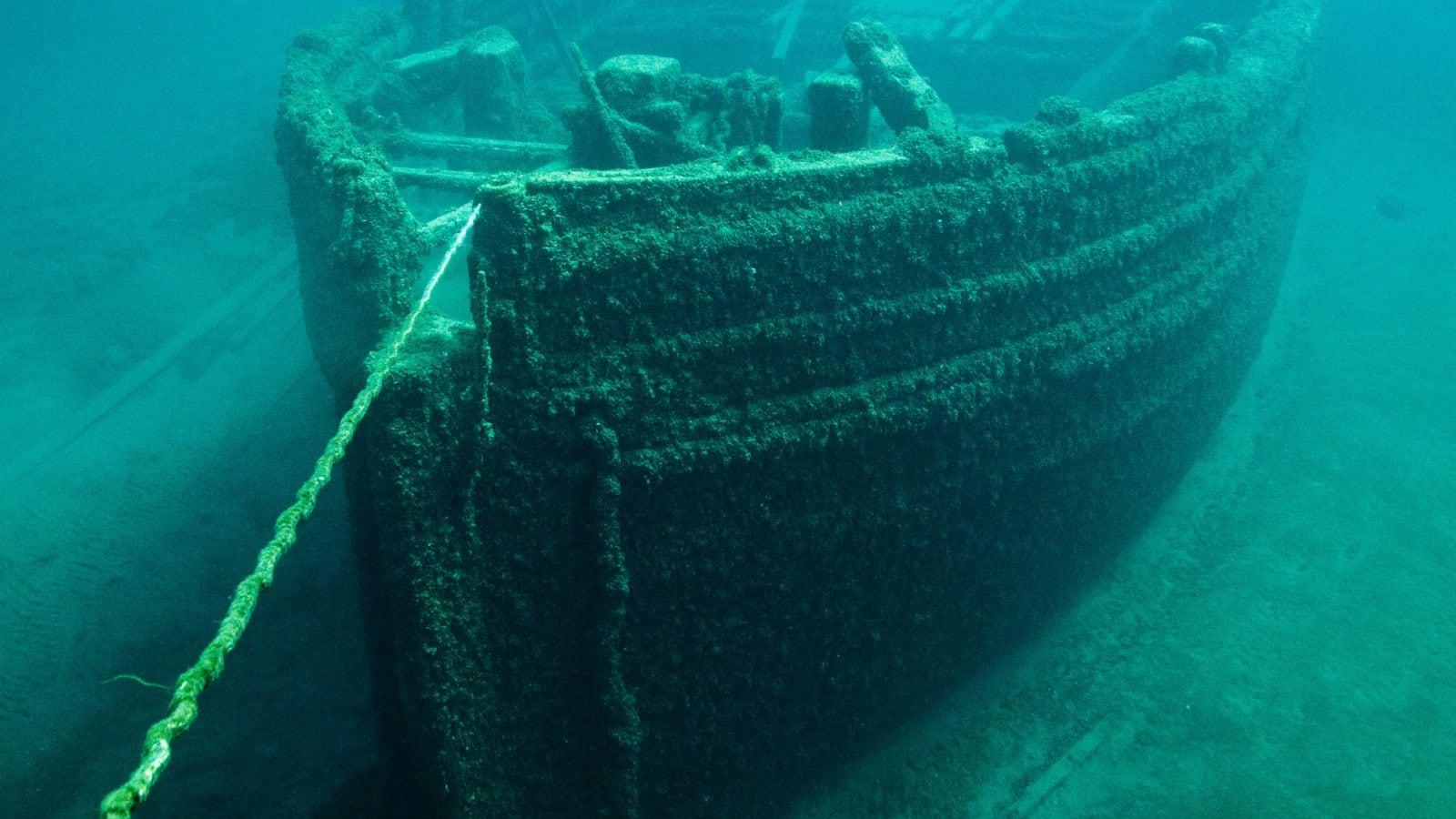
The 2011 research described by Ikeda documented a possible keel-like structure and adjacent hull planks at a depth of approximately 23 meters, about 200 meters offshore from the southern coast of Takashima. The investigated area measured approximately 10 by 10 meters.
The observed timber structure was significant because it provided an opportunity to examine a more coherent group of ship components. Nevertheless, the preliminary investigation did not establish the complete form, dimensions, or classification of the vessel.
This distinction matters for publication. A preliminary observation should not be presented as a fully reconstructed ship. The archaeological interpretation must remain proportional to the evidence available at each stage of the investigation.
10. THE 2019 SYNTHESIS: IKEDA, SASAKI, AND KIMURA
In 2019, Yoshifumi Ikeda, Randy Sasaki, and Jun Kimura published “Recent Underwater Investigations at Takashima: Searching for the Lost Fleet of the Mongol Empire” in Current Science, volume 117, issue 10, pages 1635–1639.
The article reviewed recent underwater investigations and discussed the discovery of remains associated with two vessels believed to have originated in China. These remains were connected with the thirteenth-century Mongol invasion of Japan.
The study is important for two reasons.
First, it brought attention to the growing body of material evidence recovered from the site. Second, it demonstrated how underwater archaeology can contribute to questions of naval tactics, ship construction, and the organization of the invasion.
The identification of two vessels as Chinese in origin should be understood as an archaeological interpretation supported by comparative evidence, rather than as a simple reading of an inscription on each ship. Ship construction is a technical subject, and conclusions about regional origin require multiple lines of evidence.
The article also illustrates the broader significance of the site for Japanese maritime archaeology. The preservation of submerged cultural heritage requires coordinated investigation, recording, conservation, and publication.
11. WEAPONS, CERAMIC PROJECTILES, AND THE MATERIAL CULTURE OF WAR
The archaeological reports from Kozaki Harbor include weapons and objects interpreted as ceramic explosive projectiles. These finds are potentially important for understanding the military technology associated with the invasion.
However, the interpretation of each weapon must begin with its physical characteristics and archaeological context.
An arrowhead, sword fragment, or projectile can reveal aspects of manufacture and use. Yet its presence at a shipwreck site does not automatically establish the identity of the individual who used it or the precise tactical circumstances in which it was employed.
The bundle of iron arrows recovered in 2001 illustrates this problem. More than seventy arrows had corroded into a compact mass. X-ray examination provided a method for investigating the interior, but the degree of deterioration restricted identification.
Ceramic explosive projectiles are also significant because they connect the archaeological record with the broader history of gunpowder technology in East Asia. Nevertheless, an exact identification should be based on the object’s form, material, internal structure, and published specialist analysis.
The article should not assign a particular projectile a specific explosive composition, range, or battlefield role unless those characteristics are documented by a reliable source.
In this way, weapons archaeology can contribute to the history of military technology without overstating what damaged or incomplete artifacts can reveal.
12. CERAMICS, BRICKS, AND THE LOGISTICS OF A LARGE FLEET
Chinese ceramics and bricks were recovered in several excavations at Kozaki Harbor. These objects are important because they may provide information about the material culture and logistical arrangements associated with the vessels.
Ceramics can be investigated through their fabric, glaze, shape, manufacturing technique, and stylistic parallels. Comparison with securely dated kiln products may help narrow their date and probable region of production.
Bricks may offer evidence of manufacturing practices, dimensions, material composition, and possible functions. Their interpretation depends on whether they were cargo, construction materials, components associated with onboard activities, or objects that entered the archaeological deposit through another process.
The presence of Chinese ceramics and bricks is consistent with the broader historical setting of a fleet drawing on the maritime resources of the Chinese coast. Yet regional origin should not be confused with the identity of a ship’s crew or commander.
An object manufactured in China could have been transported through several ports before reaching the vessel on which it was eventually lost. Archaeological provenance and historical ownership are related questions, but they are not identical.
The study of these materials therefore requires close cooperation between maritime archaeologists, ceramic specialists, historians, and scientific laboratories.
13. STORMS, SHIPWRECKS, AND THE HISTORY OF THE “DIVINE WIND”
The term kamikaze, meaning “divine wind,” became central to Japanese historical memory of the Mongol invasions. The concept connects the failure of the invasion with divine protection of Japan.
Modern research must distinguish this later cultural interpretation from the physical mechanisms that caused individual ships to be damaged or destroyed.
Storms can produce several different forms of damage. Vessels may be driven onto shore, collide with one another, lose anchors, suffer hull damage, or be abandoned after their crews lose control. The effects depend on vessel design, loading, seaworthiness, anchoring conditions, coastal geography, and the duration and direction of severe winds and waves.
The archaeological record may preserve some of these consequences, but it does not necessarily identify the meteorological event that caused each wreck.
A wooden anchor dated to the thirteenth century can help establish the chronology of maritime activity. A cluster of ship timbers can reveal aspects of hull construction. A concentration of artifacts can provide information about the deposition of material on the seabed. None of these observations, by itself, identifies a particular typhoon or establishes that weather alone caused the failure of the expedition.
A rigorous investigation should therefore combine archaeological findings with historical records, marine geology, oceanography, and paleoclimate research.
The appropriate conclusion is not that the storm narrative is false, nor that it explains everything. Rather, the storm must be examined as one factor in a complex military and environmental event.
14. ARCHAEOLOGICAL LIMITATIONS AND THE IMPORTANCE OF CONTEXT
The Takashima site presents several methodological challenges.
14.1 Disturbed deposits
Objects recovered by fishermen before systematic archaeological documentation may lack precise positional information. Such finds can be valuable, but their relationship to other objects may be uncertain.
14.2 Different chronological indicators
The date of a seal, the radiocarbon age of a timber, and the historical date of a campaign are not equivalent forms of evidence. Each must be interpreted according to the method used to establish it.
14.3 Reuse of materials
Wood can be reused, repaired, or incorporated into later structures. Radiocarbon dating estimates the age of the sampled organic material, not necessarily the final use of the object.
14.4 Regional attribution
Shipbuilding traditions overlap. Similar construction methods may occur in different regions, while vessels built in one region may be modified elsewhere. A secure regional attribution requires several converging indicators.
14.5 Incomplete preservation
Underwater environments may preserve some materials while destroying others. Iron can corrode severely, rope can decay, and wooden components can become fragmented or dispersed. The surviving assemblage is therefore not a complete representation of the original vessel.
These limitations do not diminish the value of Takashima. They explain why careful archaeological recording and scientific analysis are indispensable.
15. CONCLUSION: WHAT THE LOST FLEET CAN TELL US
The underwater archaeological discoveries around Takashima provide an exceptional opportunity to study the maritime dimensions of the Mongol invasions of Japan.
The bronze seal discovered in 1974 offers evidence associated with Yuan official authority. The wooden anchors recovered in 1994 preserve information about maritime equipment. The radiocarbon study published by Suzuki and colleagues in 2001 provides scientific chronological evidence for selected materials. The excavations at Kozaki Harbor document a diverse assemblage of ship timbers, ceramics, bricks, weapons, and other objects. The work of Yoshifumi Ikeda, Randall Sasaki, and Jun Kimura has advanced the investigation of submerged structures and the interpretation of shipbuilding traditions.
Taken together, these discoveries reveal that the history of the invasions cannot be understood exclusively through chronicles, military narratives, or the later memory of the kamikaze. The ships themselves preserve evidence about construction, equipment, logistics, and the movement of people and materials across medieval East Asia.
At the same time, archaeology demands restraint. Not every object recovered from Takashima can be assigned securely to 1274 or 1281. Not every timber can be attributed to a particular region. Not every wreck can be linked to one identifiable storm.
The most productive interpretation emerges when archaeological context, laboratory results, historical documentation, and comparative maritime research are examined together.
For the Heavenly Wind 750 research program, Takashima is especially significant because it transforms a famous historical event into a set of researchable questions. The surviving materials permit scholars to investigate how a major imperial power mobilized maritime resources, how ships were constructed and supplied, and how environmental forces interacted with military decisions.
The lost fleet is therefore more than a symbol of failure or divine intervention. It is an archaeological archive of medieval East Asian maritime history—one that can still contribute to a more precise understanding of the Yuan Empire, the Korean peninsula, Japan, and the interconnected seas of the thirteenth century.
REFERENCES AND FURTHER READING
Primary archaeological reports
Kyushu and Okinawa Society for Underwater Archaeology, and Takashima-cho Board of Education. 2001. Takashima Underwater Site V: The Fourth Report of Takashima-cho Cultural Asset Survey. Archaeological report documenting the underwater site and the rescue excavation undertaken in 2000. Available through the Asian Research Institute of Underwater Archaeology: https://www.ariua.org/english/projects_en/takashima_en/
Kyushu and Okinawa Society for Underwater Archaeology, and Takashima-cho Board of Education. 2001. Takashima Underwater Site VII: The Sixth Report of Takashima-cho Cultural Asset Survey. Report on the 2001 Kozaki Harbor excavation, including weapons, ceramics, ship timbers, and other finds. Available through the Asian Research Institute of Underwater Archaeology: https://www.ariua.org/english/projects_en/takashima_en/
Kyushu and Okinawa Society for Underwater Archaeology, and Takashima-cho Board of Education. 2002. Takashima Underwater Site VI: Second Report of Cultural Asset Survey at Kozaki Harbor. Archaeological report on the Kozaki Harbor investigations. Available through: https://www.ariua.org/english/projects_en/takashima_en/
Kyushu and Okinawa Society for Underwater Archaeology, and Takashima-cho Board of Education. 2004. Takashima Underwater Site X: Fourth Report of Cultural Asset Survey at Kozaki Harbor. Report documenting the 2003 excavation and recovered artifacts. Available through: https://www.ariua.org/english/projects_en/takashima_en/
Scientific dating and maritime archaeology
Suzuki, Kazuhiro, Hirotaka Oda, Mitsuhiko Ogawa, Etsuko Niu, Akiko Ikeda, Toshio Nakamura, and Akiko Matsuo. 2001. “AMS (^{14})C Dating of Wooden Anchors and Planks Excavated from Submerged Wrecks Located at Takashima in Imari Bay, Nagasaki Prefecture.” Proceedings of the Japan Academy, Series B 77(7): 131–134. https://doi.org/10.2183/pjab.77.131
Sasaki, Randall James. 2008. The Origin of the Lost Fleet of the Mongol Empire. Master’s thesis, Texas A&M University. Repository record and full text: https://oaktrust.library.tamu.edu/
Sasaki, Randall James. 2015. The Origins of the Lost Fleet of the Mongol Empire. College Station: Texas A&M University Press. https://www.tamupress.com/book/9781623491949/the-origins-of-the-lost-fleet-of-the-mongol-empire/
Ikeda, Yoshifumi. 2013. “Grants-in-Aid and Underwater Archaeological Research on the Mongol Invasions of Japan (Genko).” Japan Society for the Promotion of Science. https://www.jsps.go.jp/file/storage/grants/english/e-grants/kakenhi_essay/data/no53_ikeda_e.pdf
Ikeda, Yoshifumi, Randy Sasaki, and Jun Kimura. 2019. “Recent Underwater Investigations at Takashima: Searching for the Lost Fleet of the Mongol Empire.” Current Science 117(10): 1635–1639. https://doi.org/10.18520/cs/v117/i10/1635-1639
About the Author
Altanbagana Baatar is an independent researcher and Doctor of Business Administration (DBA) candidate whose research interests include Mongolian history, Inner Asian civilizations, historical sources, and cultural heritage. He is the founder and organizer of the Heavenly Wind 750 International Conference, an interdisciplinary research initiative examining the Mongol invasions of Japan and their historical, maritime, and cultural contexts.
Date of Publication: October 24, 2026